



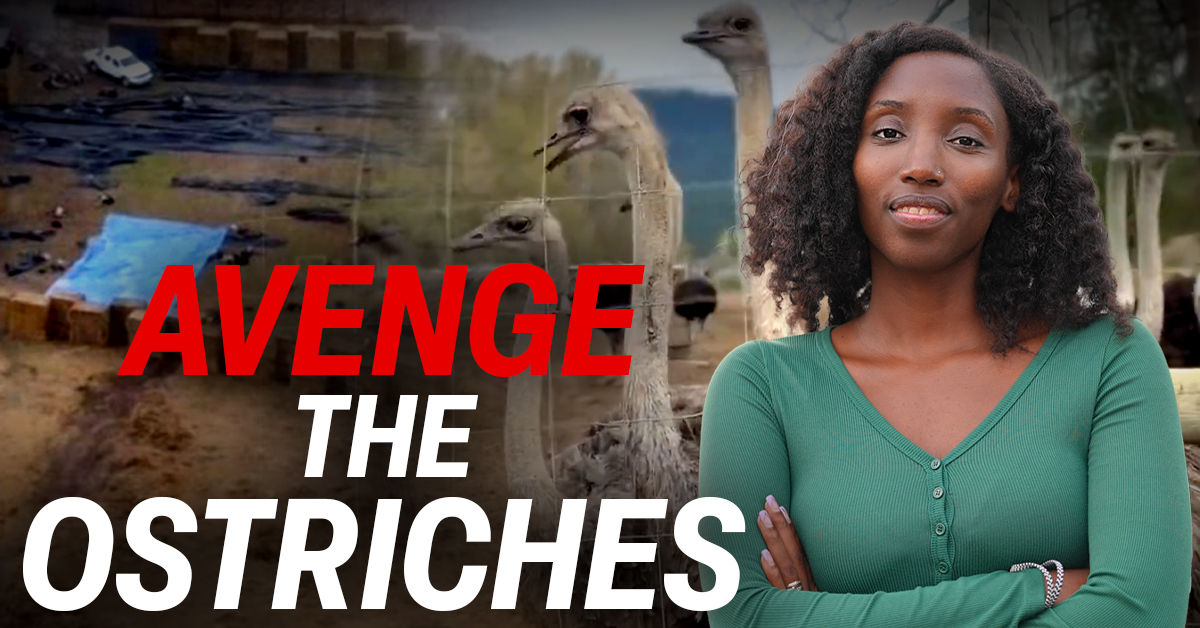

Will the Canadian Food Inspection Agency kill healthy peacocks next?
Critteraid Animal Sanctuary pleads for a reasonable exemption to save their healthy, isolated peacocks from destruction after the government culled over 300 healthy ostriches in British Columbia earlier this month.

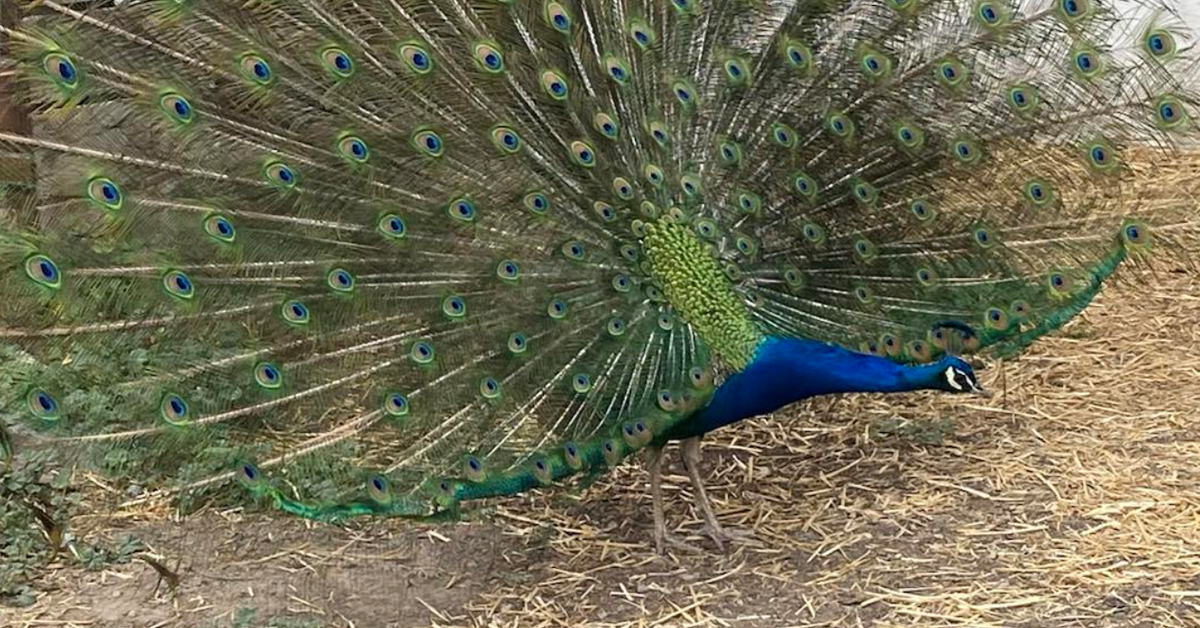
Another animal haven in the province of British Columbia is now bracing for the possibility that its precious peacocks could be next.
Amidst ongoing international outrage over the Canadian Food Inspection Agency’s (CFIA) “culling” of healthy ostriches in Edgewood, B.C., earlier this month, an animal sanctuary appears to be next.
For over 30 years, Critteraid Animal Sanctuary — a 10-acre refuge in Summerland — has been “the heart and soul” of the community, dedicated to improving the lives of animals. Now, the sanctuary is seeking a reasonable exemption from the CFIA to protect its exotic peacocks.
According to the sanctuary, their peacocks have remained healthy, asymptomatic, and physically separated from a small group of chickens that fell ill in late October, three of which tested positive for H5N1.
“I am writing to respectfully request reconsideration regarding the euthanasia order for the peacocks residing at our sanctuary,” the non-profit wrote in a letter to the agency.
The sanctuary stresses that the peacocks “have been completely isolated from the lower areas of the sanctuary and from all waterfowl,” with “no shared food, water sources, or direct contact with other birds under restriction.”
The plea continues:
“Our goal is not to challenge the intent of the directive, but to provide clear context that may allow for a science-based, risk-mitigated exemption in this case.” They emphasize their commitment to transparency, monitoring, and containment. “We believe there is a justifiable and manageable path forward that would allow them to be spared without compromising broader containment efforts.”
Critteraid says that the CFIA has acknowledged the request but has not responded. “We are still in an active investigation regarding the Peacocks, as the CFIA has to cover their mandates as well. We do not have an answer to date if [the peacocks] will be spared or not.”
While the CFIA has granted exemptions before, the agency refused one for Universal Ostrich Farms — despite their prehistoric birds not being ill for close to a year, and their anti-body rich eggs being part of a research program that had the potential to find a viral therapeutic defence to combatting viruses like COVID-19 and the avian flu.
Instead, on the night and early morning of Nov. 6 and 7, the agency slaughtered over 300 healthy birds in a fashion that critics, including Animal Justice and a cull industry whistleblower have described as inhumane.
The result was a mass killing that has left Canadians demanding transparency, compassion, and to rethink the agency’s “stamping-out” policy, which is derived from the World Organization for Animal Health, and means the state destroys all birds they believe to have been exposed.
Critteraid has been transparent, even as they describe living through “one of the most heartbreaking experiences in our history.” The sanctuary shared that between October 25 and 28, several chickens died suddenly.
Samples were immediately sent for testing and “we were informed on October 29th that the chickens had the avian flu. (H5 from Abbotsford and second lab out of Winnipeg to determine H5N1 strain).”
They moved fast: “We immediately shut the farm down for all but essential personnel,” they wrote, explaining their coordination with Interior Health, veterinarians, epidemiology experts, and CFIA containment protocols. Volunteers exposed before the virus was identified were supported by health officials.
“It's important to note that no humans have tested positive, had any symptom or felt sick in any way, to date,” the sanctuary explained.
On Nov. 8, Critteraid made the painful decision to put down their elderly ducks that were near the chickens, explaining they wished to ensure it was done “our way, with love and dignity.” As they put it: “We loved them dearly.”
Critteraid also took time to reassure the public who appears to be at heightened concern for the sanctuary in light of the ostriches, that volunteers cannot transmit avian flu.
“Avian flu is not airborne in the community. It does not spread person-to-person. CritterAid volunteers cannot pass avian flu to anyone,” they wrote, reminding neighbours that human cases are extraordinarily rare and require direct exposure to infected birds.
But the question now looms: will the CFIA move forward with killing the sanctuary’s peacocks, which have shown no illness, have never been tested, and have been kept apart from affected species?
Only time will tell.
Drea Humphrey
B.C. Bureau Chief
Based in British Columbia, Drea Humphrey reports on Western Canada for Rebel News. Drea’s reporting is not afraid to challenge political correctness, or ask the tough questions that mainstream media tends to avoid.
Featured Stories


COMMENTS
-
 Bernhard Jatzeck commented 2025-11-19 21:52:12 -0500Yes.
 -
Bruce Atchison commented 2025-11-19 19:32:49 -0500It looks like another “stamping out” cull will happen. Birds are birds, so the CFIA seems to think. ALL farmers must be watchful. The CFIA bullies will sense any illness and pounce.
-
Ruth Bard commented 2025-11-19 15:15:13 -0500Considering the CFIA’S policy of “shoot first and ask questions never,” I don’t hold out much hope for those peacocks.

