

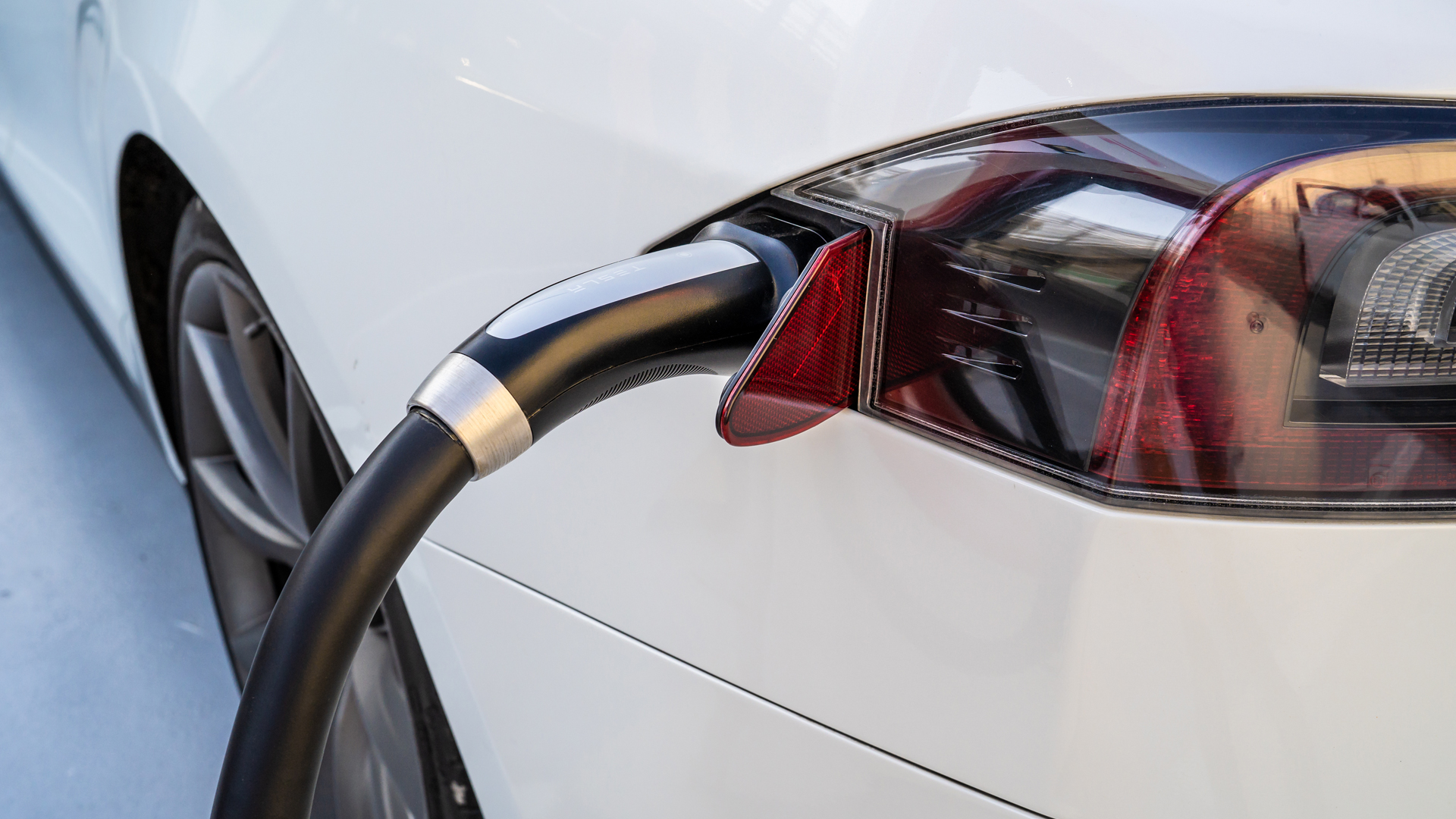

Automakers have little faith Canada will reach Trudeau govt's 2025 EV targets

Automakers are skeptical there will be enough Canadians in the market for electric vehicles to meet the Trudeau government's goal to phase out new purchases of gasoline powered vehicles by 2035.
Executives at Toyota Motor Corp. and Honda Motor Co. believe consumers will transition to EVs if they become more affordable, meet their range requirements, and have adequate charging infrastructure. However, these conditions have not yet been met.
The Alberta government unveiled a $200 annual tax to electric vehicles (EV) in line with the annual fuel tax paid by drivers of gas vehicles.
— Rebel News (@RebelNewsOnline) March 3, 2024
READ MORE: https://t.co/4Bu89CBFg9 pic.twitter.com/KDxQaw4hzS
“We need to make sure that we’re revisiting targets to align targets with reality,” said Frank Voss, president of Toyota Motor Manufacturing Canada, to Bloomberg. “The government can only do so much to entice consumers to purchase vehicles that they would like to see implemented. Consumers will choose what they need.”
As of now EVs make up just a fraction of the market, with 11% of new vehicles registered in Canada being electric, plug-in hybrid electric or hydrogen fuel cell.
A report by Bloomberg estimates that EV sales in Canada will make up 70% of new passenger vehicles.
Analysts also warned of the possibility of 'negative unintended consequences' of the Trudeau Liberals EV mandate.
— Rebel News (@RebelNewsOnline) January 23, 2024
MORE: https://t.co/CRKGwt5acZ pic.twitter.com/gUnKX4k6tj
The average price of a new vehicle in Canada is $66,000 while the average price of a new battery electric vehicle is $73,000, the Canadian Black Book reports.
A big factor is Canada's weather. Lithium-ion batteries don't hold their charge as well in low temperatures.
Another problem is electric vehicles' ability to drive long distances between major cities.
Two Manitoban residents bit off more than they could chew when purchasing their electric vehicles (EVs) for long-distance travel.
— Rebel News (@RebelNewsOnline) August 12, 2023
MORE: https://t.co/MBIruND9o7 pic.twitter.com/lCt6e9uBSc
Canada aims to have 84,500 chargers and 45 hydrogen stations by 2029, partially funded by the government’s Zero Emission Vehicle Infrastructure Program. Natural Resources Canada estimates the nation will need around 200,000 public chargers by 2035 and hopes the private sector will also contribute to funding chargers.
The auto parts industry has urged the Canadian government to align its emissions targets more closely with the U.S., which has a less aggressive goal of over 50 percent of new vehicle sales being battery electric by 2032.
However, Prime Minister Justin Trudeau’s government remains committed to its green objectives.
Featured Stories


