Cabinet denies ‘hate crime’ bill is ploy to censor internet
Justice Minister Sean Fraser says many offensive acts don't qualify as hate under the Criminal Code.

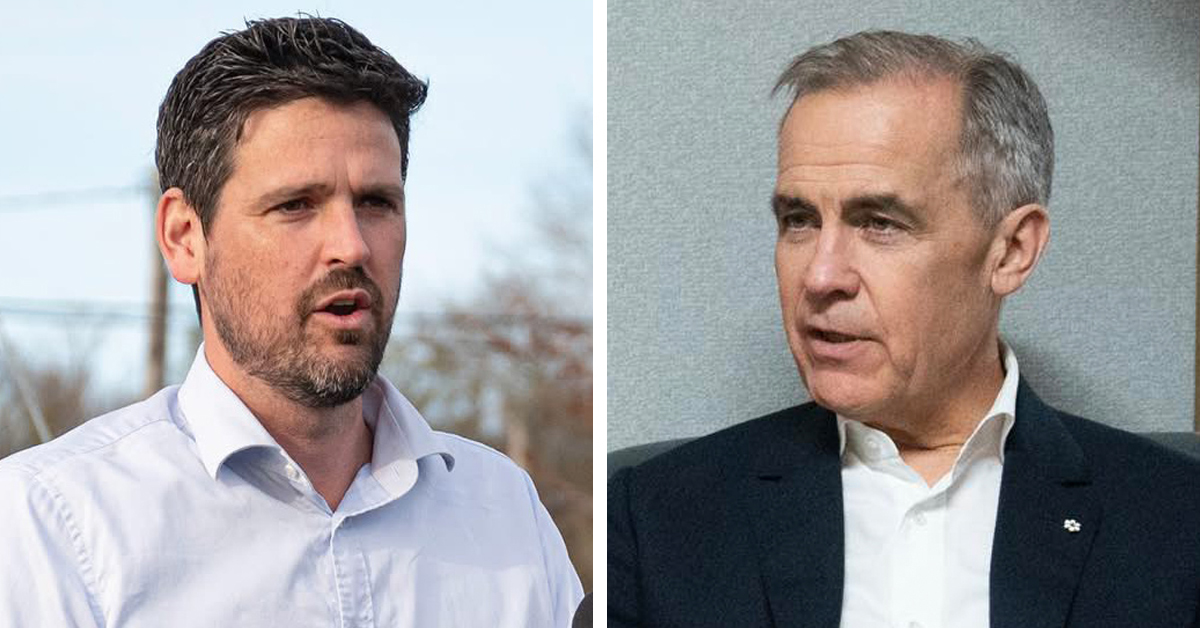
Attorney General Sean Fraser denies that a cabinet bill expanding hate crime prosecutions is an internet regulation ploy aimed at censoring online speech, despite two prior failed attempts to push legislation of this nature through.
Fraser informed the Commons justice committee that many offensive acts don't qualify as hate under the Criminal Code, and the new measure wouldn't criminalize currently legal internet activity, Blacklock's reported.
“We should recognize there are many acts we may find offensive that do not constitute hate for the purpose of the Criminal Code,” he said.
Bill C-9, An Act To Amend The Criminal Code, would restrict the public display of Nazi or Hamas symbols promoting hatred, prohibit obstruction of religious or cultural gatherings, and expand police powers regarding hate speech defined as "detestation or vilification" of an identifiable group.
Attorney General @SeanFraserMP denies #C9 swastika ban is ploy to regulate the internet following 2 failed attempts in 4 yrs: "Just to confirm, does that include the internet?" https://t.co/oJKfIm78lt @JusticeCanadaEn @MinJusticeEn pic.twitter.com/wcorKwCQPg
— Blacklock's Reporter (@mindingottawa) October 14, 2025
Conservative MP Andrew Lawton questioned if Bill C-9's hate symbol legislation, referencing "public places," applies to the internet. Fraser confirmed the law generally applies equally online and offline, clarifying that it would only apply to the "wilful promotion of hatred," before confirming that hate crimes could be committed online.
“Let me explain,” said Fraser. “The only circumstance where you could imagine some online comment attracting scrutiny under this law would attach to behaviour that is criminal today but is punished less severely.”
Bloc Québécois MP Rhéal Fortin argued that police already have the authority to combat hate crimes, questioning why Bill C-9, which largely duplicates the Criminal Code, was deemed necessary. Attorney General Fraser disagreed with Fortin's point.
PM Mark Carney uses a heckler's interruption to justify online censorship, blaming the US for a "sea of misogyny, antisemitism, hatred, conspiracy theories," describing it as a "pollution" that "washes over our borders." pic.twitter.com/TV2auh3jTt
— Rebel News (@RebelNewsOnline) April 11, 2025
A criminal ban on hate speech, dating from 1970, was updated in 2022 with Bill C-19. This amendment to the Criminal Code prohibits public promotion of antisemitism, specifically by condoning, denying, or downplaying the Holocaust, with a penalty of up to two years in jail.
MP Fortin questioned Fraser about the number of hate crime prosecutions, referencing an earlier statement of 5,000 annual hate crimes. Fraser admitted he didn't have the figures and believed the number of prosecutions was lower than the crimes committed.
Liberal MP Anthony Housefather stated the legislation was necessary to combat rising antisemitism in Canada, which has made many Jewish people feel increasingly unsafe in Canada since the Hamas terrorist attacks on October 7, 2022.
Conservative MP Roman Baber criticized Bill C-9 and the Attorney General, stating that hate crimes against the Jewish community have quadrupled under the Liberal government, evidencing their failure to protect the community.
“Please don’t pretend you’re doing us any favours,” he told the Attorney General. “I believe your appearance today is evidence of your government’s failure to protect the Jewish community.”
Trudeau sacrificed our freedoms for his censorship agenda
— Rebel News (@RebelNewsOnline) January 1, 2025
"We have a job to do on behalf of the people who sent us here," Pierre Poilievre once told the House of Commons. "We're going to give them back control of their lives in the freest country on earth, Canada."
Believe it… pic.twitter.com/IDZopabmMN
Since 2021, cabinet has twice failed to pass censorship bills C-36 and C-63.
Bill C-36, which proposed to ban legal internet content deemed to incite hatred—imposing penalties of up to $70,000 or house arrest—was to be enforced by a new Digital Safety Commissioner. The bill fell when then Prime Minister Justin Trudeau called a snap election in August 2021.
Trudeau's next censorship attempt ended on January 6 when he prorogued Parliament. Bill C-63 expired thereafter and can only be revived by a majority vote.
The defunct Online Harms Act sought to amend the Criminal Code, defining "hatred" and "hate speech" as discrimination to enable complaints against "intimidating" social media posts. Penalties included life imprisonment or house arrest, with victims receiving $20,000 and the federal government an additional $50,000.
Prime Minister Mark Carney campaigned in April to increase censorship efforts on the internet due to “online pollution.”
Alex Dhaliwal
Journalist and Writer
Alex Dhaliwal is a Political Science graduate from the University of Calgary. He has actively written on relevant Canadian issues with several prominent interviews under his belt.
Featured Stories


COMMENTS
-
Bruce Atchison commented 2025-10-14 23:19:19 -0400Liberals blame everybody but themselves. Then they make trick laws so their adversaries will be trapped. Every person who doesn’t agree with the party line is an instant enemy to them. And it’s so easy to blame Trump. But people are wising up about the supposedly new administration.
-
 Bernhard Jatzeck commented 2025-10-14 21:12:48 -0400Yes, it is. There are numerous laws already in effect that can be used to curb what this proposed legislation is supposed to ban. So why the duplication, unless there’s something else that the government wants to sneak in if it’s ever passed.