

Land acknowledgment features prominently on new Edmonton mayor's website
On Wednesday's Buffalo Roundtable livestream, hosts Sheila Gunn Reid and Lise Merle were joined on the panel by Alberta-based Rebel reporter Syd Fizzard and National Telegraph editor Wyatt Claypool, where they discussed how land acknowledgments serve as divisive political statements — not an act of reconciliation.

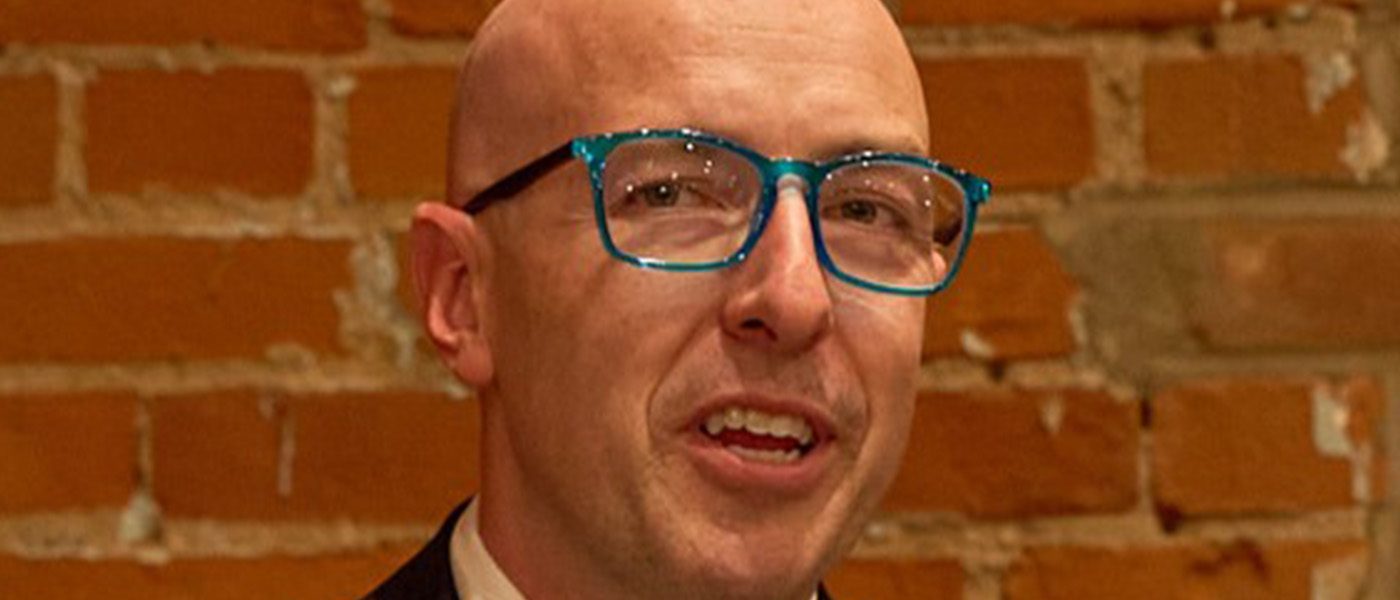
Municipal elections were held across Alberta this week, which saw three-term city councillor Andrew Knack knab victory in Edmonton's mayoral race.
Featured prominently on Knack's campaign website is a lengthy land acknowledgement, which reads:
We acknowledge that the traditional land on which we reside is in Treaty Six Territory. We would like to thank the diverse Indigenous Peoples whose ancestors’ footsteps have marked this territory for centuries, such as nêhiyaw (Cree), Dené, Anishinaabe (Saulteaux), Nakota Isga (Nakota Sioux), and Niitsitapi (Blackfoot) peoples. We also acknowledge this as the Métis’ homeland and the home of one of the largest communities of Inuit south of the 60th parallel. It is a welcoming place for all peoples who come from around the world to share Edmonton as a home. Together we call upon all of our collective, honoured traditions and spirits to work in building a great city for today and future generations.
On Wednesday's Buffalo Roundtable livestream, hosts Sheila Gunn Reid and Lise Merle were joined on the panel by Alberta-based Rebel reporter Syd Fizzard and National Telegraph editor Wyatt Claypool, where they discussed how land acknowledgments serve as divisive political statements — not an act of reconciliation.
“If we're going to do a land acknowledgement, the first sentence was fine,” remarked Sheila. “Sure, Edmonton was a place of trading; it is Fort Edmonton, where the Indigenous people met with traders, and trading was done there. OK, whatever. But his land acknowledgement is two, three, four, five lines.”
Lise was clear where she stood on the issue: “I don't want anything to do with land acknowledgements ever again. Not from politicians, not in events, not in sporting facilities.”
While these statements are mere words in Alberta, neighbouring British Columbia, where Wyatt resides, has seen Indigenous groups awarded public and private land in a recent Supreme Court ruling.
“The entire statement implies that somebody simply having set foot in an area has now marked the territory for them,” the National Telegraph editor said. “That's not actually how land ownership works anywhere, really,” Wyatt added, calling the idea “insulting to the intelligence of First Nations” and slamming “the reconciliation industry making money on lawsuits and land deals.”
So-called reconciliatory measures have become ludicrous, Syd said, ripping the “changing of street names” and accusing activists of “(taking) advantage of their ancestry.”
The Buffalo Roundtable is Rebel News' weekly Western Canada-focused livestream. Tune in every live every Wednesday at 11 a.m. MT (1 p.m. ET).
Livestream Clips
Catch the most impactful clips from our daily news livestream, Rebel Roundup, featuring breaking stories, bold opinions, and exclusive insights from our top reporters. Stay informed and never miss a moment—watch now!
https://www.rebelnews.com/liveFeatured Stories


COMMENTS
-
Bruce Atchison commented 2025-10-23 21:53:55 -0400Will Europeans get land acknowledgements in Europe? No because Caucasians are the wrong colour and higher on the oppressor totem pole.
-
 Bernhard Jatzeck commented 2025-10-23 21:13:14 -0400It’s Edmonton, so it’s not surprising. After all, our wards now have native names, even though the residents had no say in the matter.
 -
Dre Mat commented 2025-10-23 17:59:04 -0400I made the mistake of watching CityNews the other day where such land acknowledgements start the broadcast. You don’t need to even ask if they’re biased when they do that.