

Constitutional lawyer explains Supreme Court rulings driving B.C. land grabs
Keith Wilson joined this week's Buffalo Roundtable, where he cleared up some misunderstandings surrounding the legal factors guiding the B.C. Supreme Court's decision to award Indigenous groups land rights over portions of the province.

Discussions about British Columbia repealing its United Nations inspired Declaration on the Rights of Indigenous Peoples Act (DRIPA) have been swirling following the B.C. Supreme Court's decision to award land rights to First Nations groups.
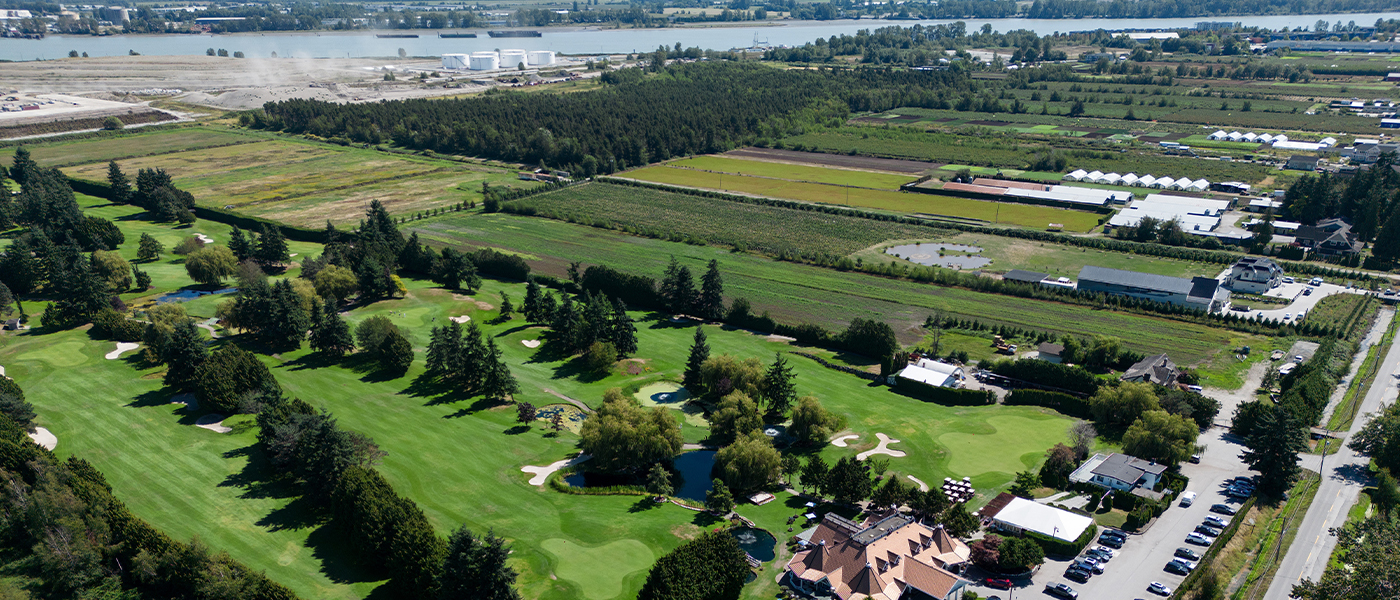
In what is known as the Cowichan ruling, tribes were confirmed to hold Aboriginal title over 300 hectares of land along the Fraser Valley, including public and private lands.
While the focus has been on DRIPA, constitutional lawyer Keith Wilson explained how this isn't the primary legal framework behind these land grabs, which have now spread to other parts of the country on this week's Buffalo Roundtable livestream.
“That decision in Cowichan is a byproduct of the 1973 Calder decision that I studied back in law school over 30 years ago,” Wilson explained. That ruling led to further Supreme Court of Canada decisions that overlayed onto Section 35 of the Constitution, which “establishes Charter rights,” he continued.
“The judge in Cowichan added them all together,” Wilson said, detailing how the judge said Aboriginal title “trumps” existing fee simple land claims.
In fact, the ruling “did not rely” on DRIPA, he said.
This act, however, has been used to invalidate mining claims in B.C. “because First Nations have veto,” a power granted through the UN-inspired law. This means “any mining claim that didn't go through it and complied with DRIPA is invalid.”
Both issues are “huge problems” in the province, the lawyer said.
“One's easy to fix,” Wilson said, suggesting the provincial legislature could simply repeal DRIPA, benefitting resource development. The “Cowichan problem,” however, requires more work.
“The only way that can be fixed, as far as I've been able to figure out, is one of three ways: if you own land in B.C., move. Get out of the province while you still can. The other option is for Section 35 of the Constitution Act to be amended to reduce Aboriginal rights. I don't see that happening.”
The last option, he said, “is for the B.C. government to enter into land claim settlements, which would be billions if not trillions of dollars that will have to be paid for by the taxpayers in B.C.”
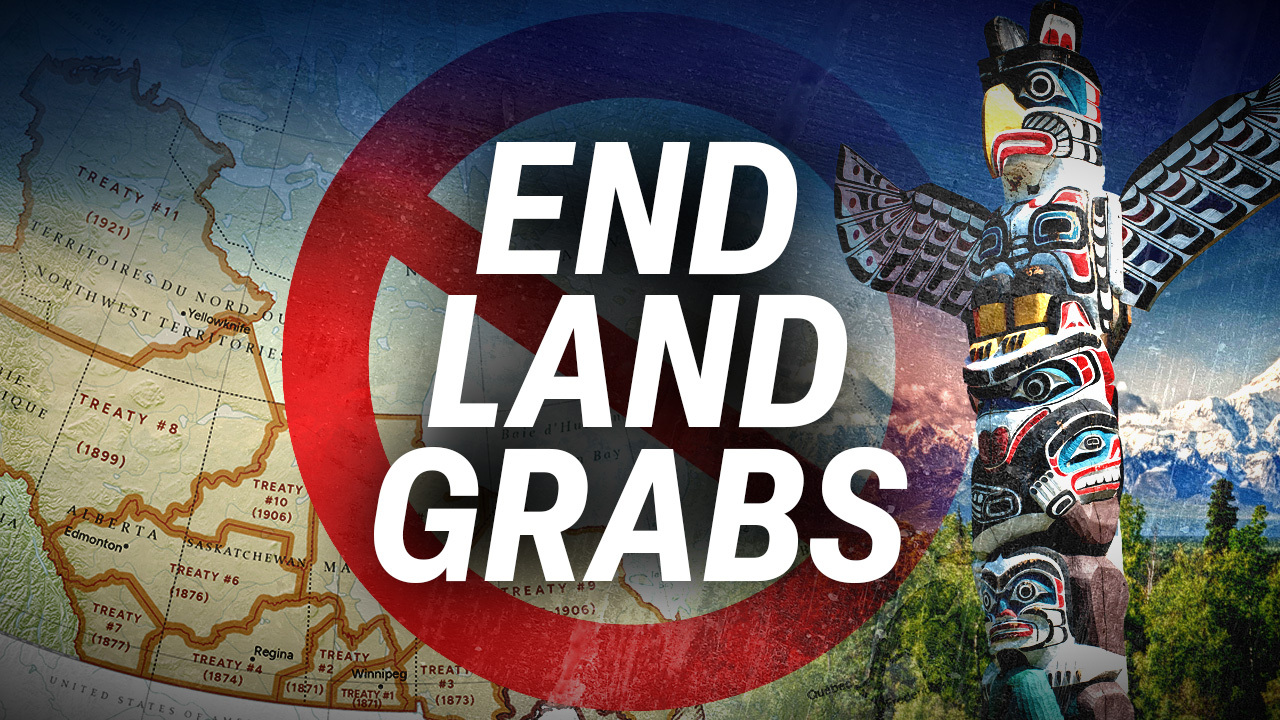
Please sign our petition to stop UN-driven land seizures and protect Canadian property rights!
Livestream Clips
Catch the most impactful clips from our daily news livestream, Rebel Roundup, featuring breaking stories, bold opinions, and exclusive insights from our top reporters. Stay informed and never miss a moment—watch now!
https://www.rebelnews.com/live


COMMENTS
-
Bruce Atchison commented 2025-12-12 19:41:27 -0500How sad that it takes personal restriction or confiscation to wake people up. Like Bernhard said, this started a decade ago. It also is why Alberta must become an independent nation. Keep the crazy policies away from conservative-minded folks.
-
 Bernhard Jatzeck commented 2025-12-11 20:51:54 -0500It didn’t start with Eby or his predecessor. About a decade ago, when Christy Clark was premier, the Queen Charlotte Islands were quietly given a different name.
It was also at about the same time that construction projects had to be scrutinized by natives to make sure that nothing that was deemed sacred would be violated before starting work.