
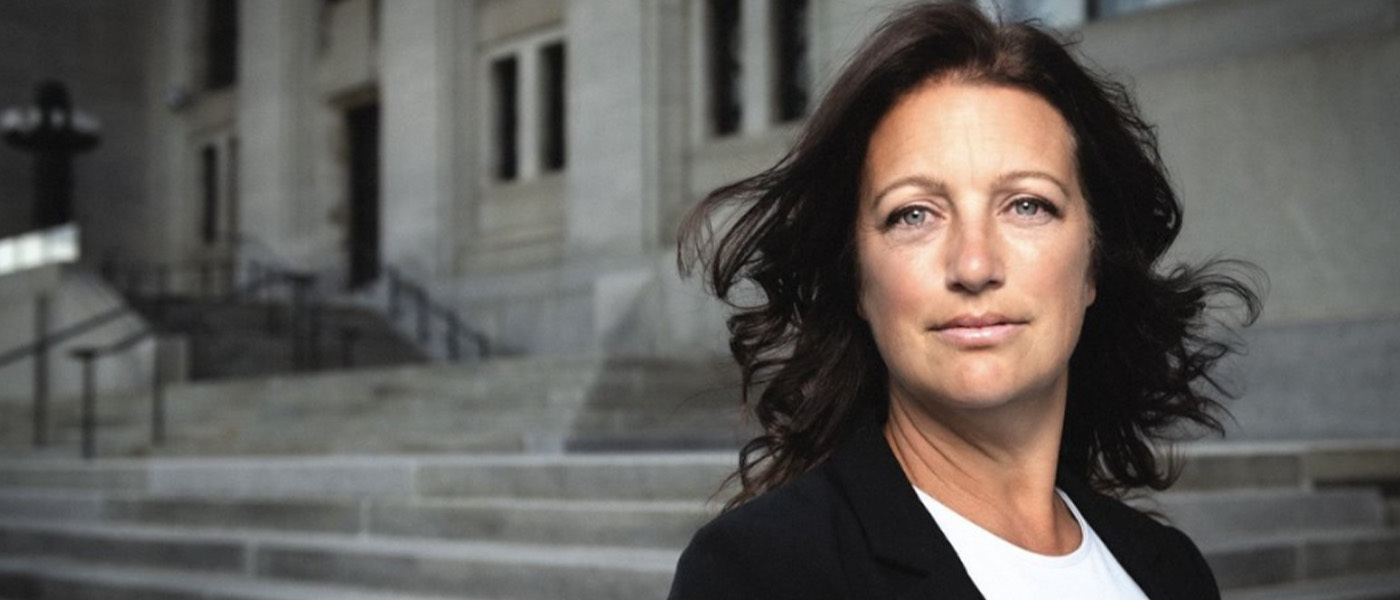


Ex-forensic expert alleges conspiracy and cover-up in Detective Grus' disciplinary action
Esteemed Detective Helen Grus has faced a contentious disciplinary tribunal after investigating an alarming surge in sudden infant deaths in Ottawa in 2021, in excess of typical rates.

In the shadowy corridors of Canada's justice system, a veteran detective's pursuit of truth has exposed what many see as a chilling erosion of police independence.
Ottawa Police (OPS) Detective Helen Grus, a long-serving member of the Sexual Assault and Child Abuse Unit (SACA), raised concerns in 2021 about a spike in sudden infant deaths following the COVID-19 vaccine rollout.
Her concerns echoed troubling data, including Pfizer's trials indicating a staggering 97% fatality rate among unborn babies exposed to the shots.
Perhaps more officers need to review Pfizer's clinical trial data on baby deaths
— Tamara Ugolini 🇨🇦 (@TamaraUgo) January 9, 2025
PG 12https://t.co/KdPCzAJMmE pic.twitter.com/kGoQvatiNT
Duty compelled Grus to query police records, seeking to rule out any vaccine connection. Instead of support in this preliminary probe, she faced Canada's longest police disciplinary tribunal, charged with discreditable conduct for an "unauthorized" investigation.
During Grus’ earlier testimony, Hearing Officer Chris Renwick silenced her mid-sentence, ruling that probing health officials or politicians requires higher approval due to "political and societal ramifications."
This begs a profound question: Is everyone really equal under the law, or are some more equal than others?
Retired Ontario Provincial Police (OPP) Officer Vincent Gircys, with 32 years in crime investigations and forensic reconstruction, dissects the recent sentencing hearing that took place from September 3-5, 2025.
As a champion of civil liberties post-retirement — having supported the 2022 Freedom Convoy and testified at the National Citizens' Inquiry — Gircys detailed how the hearings unfolded with procedural drama. On day one, the prosecutor attempted to introduce an anonymous, unsworn victim impact statement, sparking debate and a swift adjournment.
Day two saw the document rejected for failing "best practices," as Gircys noted.
Defence lawyer Bath-Sheba van den Berg then submitted a massive dossier spanning thousands of pages, including Grus’ commendations, performance reviews, and public affidavits decrying the impact that this case has on policing and public trust.
This bombshell caught the prosecution off guard, leading to a one-hour break and eventual postponement. Gircys views the tribunal's continued refusal to hear experts on Grus’s justified probe as emblematic of deeper rot.
"I have to say it's the greatest cover-up that has ever happened in the history of our nation," he asserted. "It's a clear obstruction of justice... We're at the point now where this isn't a case of one expert arguing another expert. This is a case of government, government's own data, health agency's data, and what we're seeing in the performance of this police service and other police services that combined are intentionally covering up information."
Gircys lambasted the "orthodoxy of a dominant narrative" that deemed vaccines "safe and effective," sacrosanct against scrutiny. Grus, as the sole officer questioning the infant death surge, was "shut down" harshly, he notes.
"There's no question that the rule of law in Canada no longer exists," Gircys warned. "It's catastrophic right now in law enforcement and within our justice system... It's not only counter to procedure. It's a cover-up. It's a criminal conspiracy on a massive scale beyond anything I have ever had to comprehend involving the death of babies."
Ultimately, Gircys stressed the need for accountability: "When senior management and chiefs and commissioners start working closely together with politicians and health officials and concealing information... we have a serious problem. I mean, we're going to need to have this conversation: Who polices the police?"
While the Special Investigations Unit (SIU) is meant to probe police misconduct, it offers little recourse here. Gircys advocates for a national inquiry to expose the full scope, building on the National Citizens' Inquiry's expert testimonies.
In terms of next steps, sentencing will likely resume in about two months, as parties review the submissions. If Grus prevails, it could embolden fearless investigations; if not, more truths may be buried.
Public support swells via the recently launched Grus Justice Project, a nonprofit fighting political interference in policing.
In a nation where facts should reign, Grus’s fight reminds us all that silence isn't justice—it's complicity.
Featured Stories

19:22

05:25


COMMENTS
-
 Fran g commented 2025-09-21 19:37:44 -0400I still believe there are some good police out there. They are afraid to speak up and be demonized by peers.. They are afraid of losing their jobs and pensions. But this will only get worse if you dont speak up. The more that do come clean will lead the path for more to come forward. It must be so hard to see this mass corruption degrading your profession. Most people do not trust police any more because of this. You must come forward and fight this to bring back the good name of police and help save Canada.
 -
Bruce Atchison commented 2025-09-12 21:49:45 -0400Why do police need policing? Because nobody is good, no not one person.
-
Chris Paget followed this page 2025-09-12 16:09:24 -0400

