
Latest stabbing incident in Australia blamed on 'online radicalisation'

Censorship concerns in Australia are intensifying as authorities and eSafety experts look to blame 'online radicalisation' after a 14-year-old boy stabbed University of Sydney student on Tuesday.
Paramedics responded to reports of a stabbing about 8.30am and found a 22-year-old man suffering from a single stab wound to the neck.
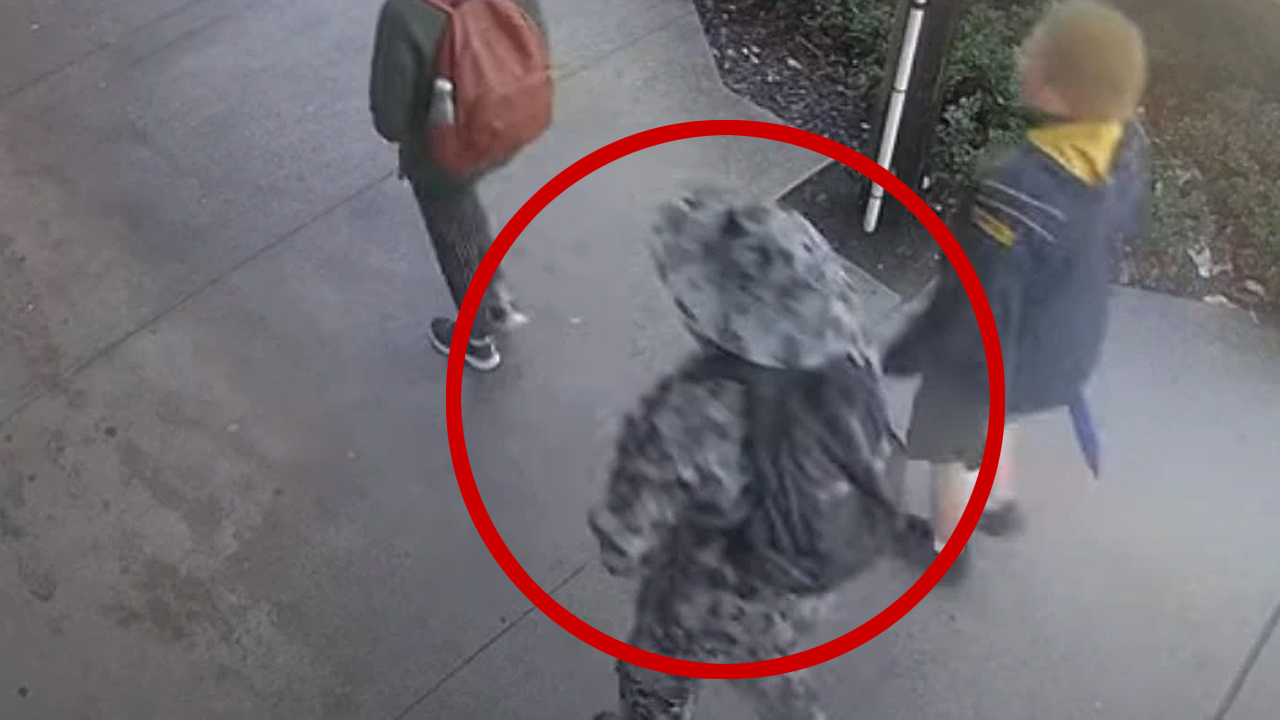
Police said the man was stabbed by the teen, who was dressed in camouflage at the time of the attack, with a kitchen knife.
Police are claiming the boy was influenced online by a "salad bar of ideologies" and had an interest in controversial commentator Andrew Tate.
A stabbing at the University of Sydney is being investigated as a potential terror attack.
— Visegrád 24 (@visegrad24) July 2, 2024
A 14-year-old boy dressed in military clothes stabbed a 22-year-old student today.
Australian police say it looks like he had “an ideological but not religious motive”
🇦🇺 pic.twitter.com/fvmfbPQ2QE
New reports revealed the teen had been previously charged over terror plans to carry out a “Christchurch style terror attack” at a Sydney school and he had been placed in government deradicalisation programs.
Media eSafety expert Susan McLean appeared on Sunrise on Wednesday where she took aim at the effectiveness of such programs.
“I think we need to look at our deradicalisation programs,” McLean said.
“They’ve been there for many years. But are they actually successful in deradicalising our youth, or are they just really a Band-Aid approach?
“I’m not saying that they’re no good, or they don’t work, but there needs to be some markers along the way.
Earlier this year, the nation's controversial eSafety office initiated legal action in the Federal Court against X, formerly known as Twitter, for refusing to comply with a global order to remove content related to a Sydney church stabbing.
📢 Sign the petition: SACK E-KAREN NOW! Australia's eSafety Commissioner has to go!
— Avi Yemini (@OzraeliAvi) June 6, 2024
Following her embarrassing court loss to @elonmusk's X, we are calling upon the government to immediately remove Julie Inman Grant from her position.
SIGN & SHARE: https://t.co/bkS3WrMipr pic.twitter.com/h2dZ6MZbcP
This move has sparked significant backlash. A petition launched by Rebel News last month, demanding Inman Grant’s removal, has garnered 10,000 signatures, highlighting widespread dissatisfaction with her approach.
Critics argue that her efforts to enforce global censorship and broad national policies pose serious threats to free speech, setting a worrying precedent for government control over the internet.
Featured Stories


12:46