

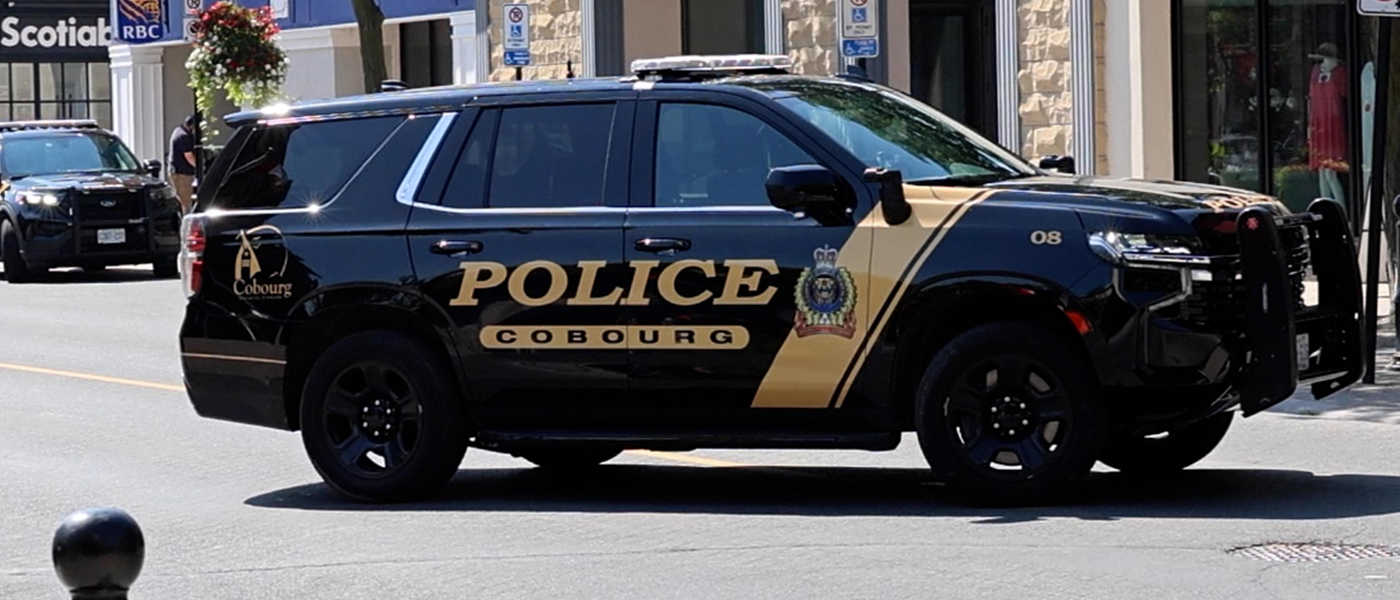


Cobourg, Ontario struggles with rising homelessness and drug issues
Residents continually express alarm over rising homelessness, drug use, and crime, attributing increased disorder to the low-barrier shelter expansion at 310 Division Street and perceived inaction by elected officials.

Nestled along the 401 corridor, about 100 kilometres east of Toronto, Cobourg, Ont., was once a picturesque town known for its welcoming charm. Today, residents are voicing growing concerns over escalating homelessness, drug use, and crime, which they say have tarnished the town’s reputation and safety.
I hit the streets to gauge public sentiment on the expansion of low-barrier shelter operations at 310 Division Street and the perceived inaction of Town Council and Mayor Lucas Cleveland.
Mayor Lucas Cleveland joined me to address the surge of crime and chaos in Cobourg following the failed low-barrier shelter expansion experiment in the downtown core
— Tamara Ugolini 🇨🇦 (@TamaraUgo) July 30, 2025
Check it out and let me know what you think of his responses 👇🏻 pic.twitter.com/HyiVntYvvy
Locals paint a troubling picture. “People are sleeping outside, doing drugs, nodding off on the streets,” one resident said, noting the spread of these issues from downtown to the east side. Another described a violent encounter while distributing meals to the homeless: “She came up and attacked me -- she slapped me in my face, went to punch me in the face, I moved my head, she pushed me down and smashed my head against the pavement.”
For many, the town’s decline is stark. “Cobourg was in a good position at one point, but it’s slipping,” a born-and-raised resident lamented, citing needles on beaches and a downtown no longer safe for families.
Public indecency becomes the norm in Cobourg, once coined "Ontario's Feel Good Town," as guarded 24/7 by private security & recently fenced encampment grows at taxpayers' expense
— Tamara Ugolini 🇨🇦 (@TamaraUgo) July 9, 2024
Emergency services are stretched thin; community safety and protection increasingly compromised pic.twitter.com/KnBdywUI0G
The shelter at 310 Division Street is a focal point of contention. While some acknowledge the struggles of the homeless, others feel the expansion has concentrated drug use and disorder. “It’s gotten a lot worse,” one resident said, pointing to frequent car break-ins and public disturbances.
Cobourg residents speak out on low-barrier shelter-driven crime surge at town hall: @TamaraUgo
— Rebel News (@RebelNewsOnline) June 19, 2025
The event drew a crowd of approximately 450 that detailed Cobourg’s descent from “Feel Good Town” to crisis zone.
Cobourg, Ontario, once proudly dubbed “Ontario’s feel-good town,” is… pic.twitter.com/LPl7M3A1O5
Visitors from nearby Whitby, however, see Cobourg as a “nice, safe town,” unaware of the undercurrents troubling locals.
Opinions on Mayor Cleveland and the Town Council are mixed. “The mayor’s doing a good job, but I’m not sure he’s fully supported by council,” one resident offered, while others hesitated to comment, feeling uninformed or unheard.
“I don’t think they’re doing enough to help people in need,” another said, advocating for affordable therapy and rehab over incarceration, which they argue exacerbates the problem.
Residents yearn for the Cobourg of old — a place where visitors marvelled at its beauty, not dodged street confrontations. “I’d like to see our town back, where people felt welcome,” one local said.
Despite these challenges, a sense of optimism persists. “There’s always hope,” one resident affirmed, praising Cobourg’s potential.
Featured Stories


COMMENTS
-
Bruce Atchison commented 2025-07-31 19:54:58 -0400Liberal policies destroyed our nation. And Liberal boomers with trump Derangement Syndrome voted the same gangsters back in for a fourth term.

