Pipelines are not ‘national interest’ projects, Radio-Canada reports
Despite initial exclusion, a Liberal source indicates a pipeline's approval is possible.

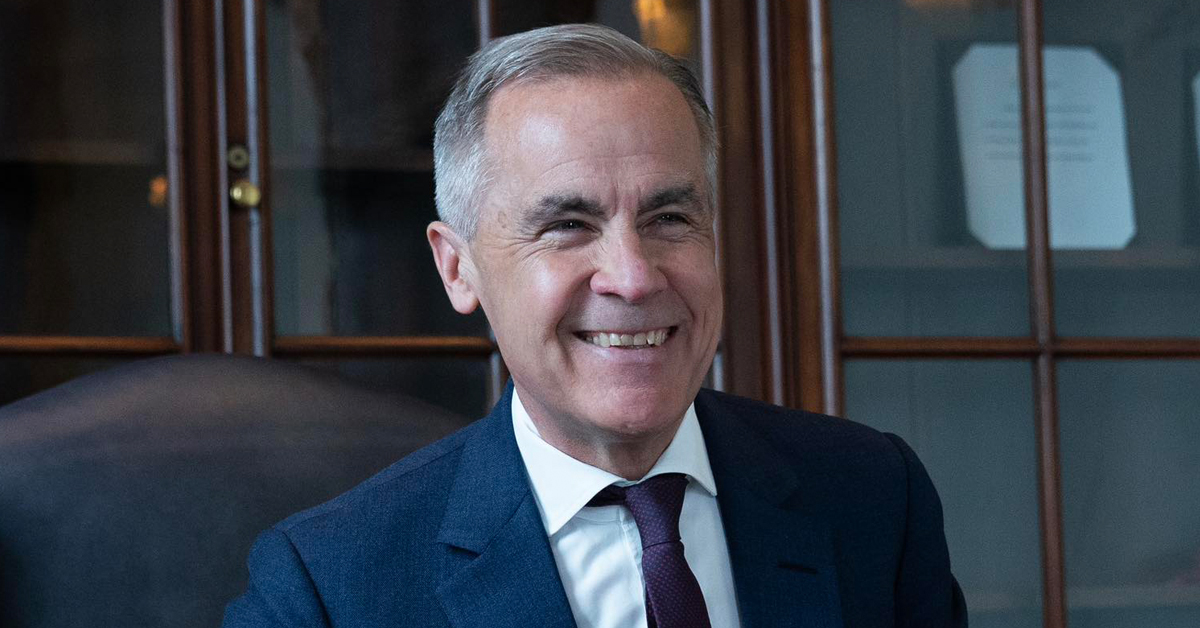
Radio-Canada reports the Liberal government's initial list of national interest projects excludes oil pipelines, contrasting Mark Carney's July 5 remarks that a new pipeline is "highly, highly likely."
Last Friday, Prime Minister Mark Carney confirmed his government's goal to "decarbonize" Canadian infrastructure. “Everywhere from the resource sector through to manufacturing … we can grow … sustainable jobs … and … there's a series of measures that we're taking and will take,” he told reporters.
No proposals have been submitted yet, but the official list is expected in the coming weeks. Alberta Premier Danielle Smith says she will comment following that announcement.
Mark Carney speaks on his master plan to have investments in the "decarbonization" of Canada happen throughout all sectors with the help of taxpayer dollars.
— Rebel News (@RebelNewsOnline) September 7, 2025
PM: "climate competitiveness, as part of our global industrial competitiveness strategy," pic.twitter.com/Sy04hRxubB
Despite the federal government's promise to make Canada an energy superpower, three sources confirmed to Radio-Canada that no pipeline project is currently being considered.
Alberta Premier Danielle Smith has frequently said her priority lies in a new oil pipeline from the oil sands to northern British Columbia, calling it "most credible and economic" when combined with carbon capture. Despite the appeal of "decarbonized" oil, Carney has not approved new oil pipelines or LNG terminals.
Despite initial exclusion, a Liberal source indicates a pipeline's approval is possible, aligning with the Prime Minister's July 5 statement that a new West Coast pipeline is "highly, highly likely."
"I think there's a real danger that the new prime minister is worse than the old prime minister": Premier Smith warns Canadians about Mark Carney's focus on 'net-zero' initiatives. pic.twitter.com/bfxxKgbcNM
— Rebel News (@RebelNewsOnline) March 20, 2025
On June 24, Premier Smith told Bloomberg she expected a new pipeline proposal within weeks, citing ongoing energy company discussions.
To gain investor confidence for new pipelines, Smith argues the federal government must lift the emissions cap, amend the Impact Assessment Act, and end the northern B.C. tanker ban.
The leaders will meet Wednesday in Edmonton after a March 20 meeting where the Premier warned against Carney's "net-zero" obsession, saying he could be worse than the previous prime minister, further alienating western resource provinces.
Canada lost approximately $670 billion in resource investment due to cancelled or shelved oil, gas, and energy projects under former prime minister Justin Trudeau.
Carney says his Liberal government would keep the 'no more pipelines' Bill C-69 in place, claiming he will focus on "projects that are going to make material differences to our country." pic.twitter.com/vG4tOY4f8H
— Rebel News (@RebelNewsOnline) April 1, 2025
Some say no pipeline project in initial announcements, however, is to reassure the Liberal Party's progressive wing, aligning with their climate priorities, amid reports of forming an environmental caucus.
Prime Minister Carney's first act post-election was to abolish the consumer carbon tax, a key policy of his predecessor Justin Trudeau. He also suspended the electric vehicle mandate indefinitely.
However, Carney has so far refused to repeal Bill C-69 and the oil and gas production cap—key hurdles to building a new pipeline.
According to a Fraser Institute survey of petroleum-sector executives, Wyoming and Texas are considered far more attractive for investment than any Canadian province, including Alberta and British Columbia.
— Rebel News Québec (@RebelNews_QC) December 2, 2022
MORE: https://t.co/LQQu5aTqWu pic.twitter.com/TdAzvudrAI
The federal government earlier requested provincial recommendations for projects. Through Section 5.6 of Bill C-5, passed on June 26, cabinet can fast-track industrial projects considered to be "in the national interest."
Developments will be evaluated based on their ability to strengthen the economy and security, project success, the advancement of Indigenous interests, and contribution to clean growth.
Most Canadians support building new oil and gas pipelines and LNG terminals to counter U.S. tariffs, a recent poll showed.
Surveyed individuals overwhelmingly supported new and expanded oil and gas infrastructure (91%), more refineries and LNG terminals (90%), and faster permit approvals (82%).
Alex Dhaliwal
Journalist and Writer
Alex Dhaliwal is a Political Science graduate from the University of Calgary. He has actively written on relevant Canadian issues with several prominent interviews under his belt.
Featured Stories

06:06


COMMENTS
-
 Bernhard Jatzeck commented 2025-09-10 21:35:08 -0400Anything that could benefit Alberta is not in the “national interest”.
 -
Bruce Atchison commented 2025-09-10 19:50:06 -0400Liberals LIE! What else is new?