



Public Health Agency to audit Vaccine Injury Compensation Program after years of concerns
This follows years of publicly reported scandals, rising claim volumes, and a significant budget shortfall, all of which directly contradict the program’s mandate to provide timely and equitable support to Canadians who experienced serious vaccine injuries from products promoted as “safe and effective.”

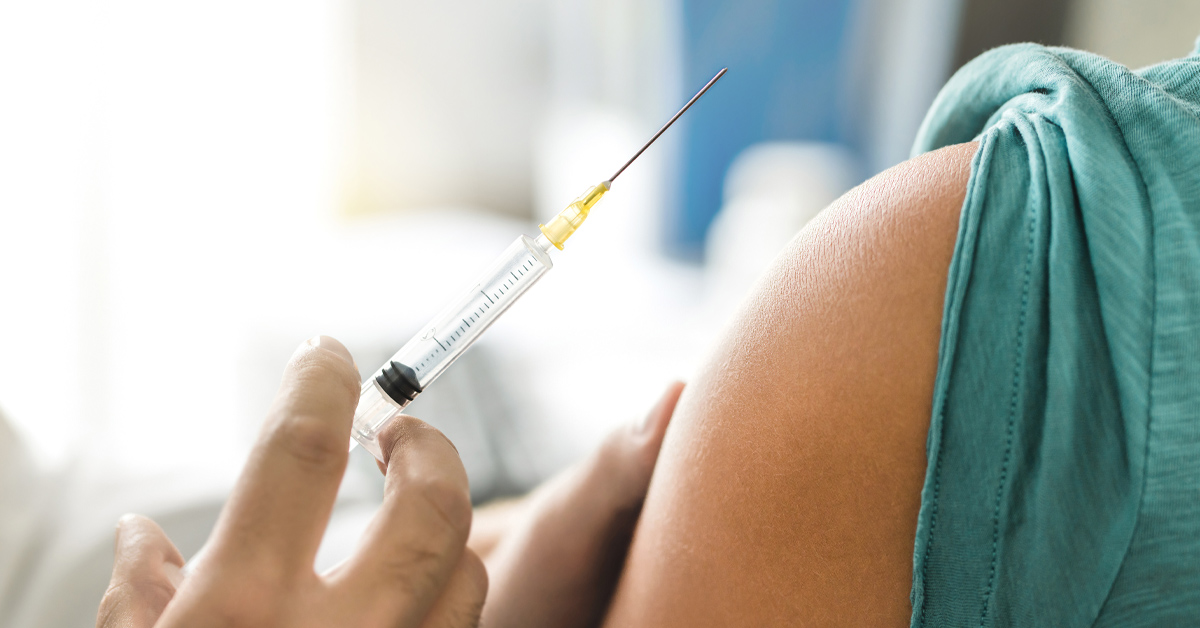
The Public Health Agency of Canada (PHAC) is finally ordering its first-ever audit of the Vaccine Injury Support Program (VISP) after years of dragging its feet amid mounting evidence of vaccine injuries.
Announced in the 2025-2030 Interim National Immunization Strategy, this move comes years after concerns about the program's shortfalls were first raised publicly, and reported on exclusively by Rebel News.
Access to information documents shows that Trudeau's vaccine injury support program (VISP) funnels millions to consultants rather than to the victims of the 'safe and effective' injections.
— Tamara Ugolini 🇨🇦 (@TamaraUgo) January 28, 2024
Learn more:https://t.co/pbCkZvXTiP pic.twitter.com/hpG0YWfhRJ
The strategy acknowledged that VISP must “continue to provide timely financial support to individuals who have sustained a serious and permanent vaccine injury after receiving a Health Canada-approved vaccine in Canada,” as featured by Blacklock’s Reporter.
.@GovCanHealth promises first audit of $75M vax compensation fund to ensure speedy payments in cases of death or injury. Successful claims have tripled in two years. https://t.co/ZjkEZYvNUu #cdnpoli pic.twitter.com/AUBbqpK0In
— Blacklock's Reporter (@mindingottawa) September 16, 2025
It also noted the agency intends to “develop and implement an independent, evidence-based evaluation mechanism for the Support Program focusing on protecting privacy, equity and timelines.”
Global News claims that their "investigation" revealed a scandal clad Vaccine Injury Support Program (VISP) but in fact, all of this is my original reporting
— Tamara Ugolini 🇨🇦 (@TamaraUgo) July 2, 2025
A🧵 https://t.co/O3118L9B4Q
PHAC plans to take over program administration in March, despite initial planning documents noting that the agency “did not have the expertise necessary to process vaccine injury claims” and there would otherwise be a “perceived conflict of interest.” This conflict arises because PHAC also serves as a “secretariat for the National Advisory Committee on Immunization,” which is responsible for provincial and territorial recommendations for federally funded vaccine programs.
Back in May 2021, I began reporting on VISP's glaring inadequacies — from delayed or nonexistent payouts and inadequate reporting to a system that seemed designed more to protect bureaucracy than to help suffering Canadians. Yet here we are in 2025, with PHAC only now acknowledging the need for oversight.
The audit aims to ensure "timely financial support" for those who've suffered serious and permanent injuries from Health Canada-approved vaccines.
Yet, successful claims have tripled in just two years, with 3,317 Canadians filing applications so far.
The total compensation is a mere $18.1 million, covering everything from medical costs to funeral expenses.
WATCH: @TamaraUgo discusses the failures of Canada's Vaccine Injury Support Program (VISP) and how one MP allegedly advised a constituent to avoid speaking out about the program's shortfalls.
— Rebel News (@RebelNewsOnline) November 22, 2024
MORE: https://t.co/bnlqmtY0Jl pic.twitter.com/v7C1DFfwqo
Originally budgeted at $75 million through 2027, managers now admit it'll blow past that figure due to "very high levels" of demand, as noted in a December 17 health department memo.
This isn't surprising; the program's "no-fault" structure was touted as a key pillar of national vaccination efforts, yet it's been plagued by inefficiencies from the start.
PHAC's report pats itself on the back, insisting VISP is "fair, timely, impartial, efficient, effective, credible, evidence and expert informed," while protecting privacy and being accessible to the public and health professionals.
If it's so flawless, why the sudden push for an "independent, evidence-based evaluation mechanism" focused on privacy, equity, and timelines? And why has it taken this long to "develop and implement" such basics?
Immunization remains "one of the most beneficial and cost-effective public health interventions," they claim, but Canadians deserve transparency about risks — not just endless monitoring after the fact.
Families grieving loved ones or battling lifelong disabilities shouldn't wait years for scraps from a fund that's already overburdened.
It's a classic government shuffle: promise big, deliver late, and hope no one notices the human cost.
If PHAC truly valued equity and timelines, they would've acted years ago, not waited until the evidence became impossible to ignore.
Featured Stories


