The SECRET to Somaliland’s success is PEOPLE, says retired activist
A retired activist, who has seen it all, explains how peace and tradition shaped the nation’s resilience.

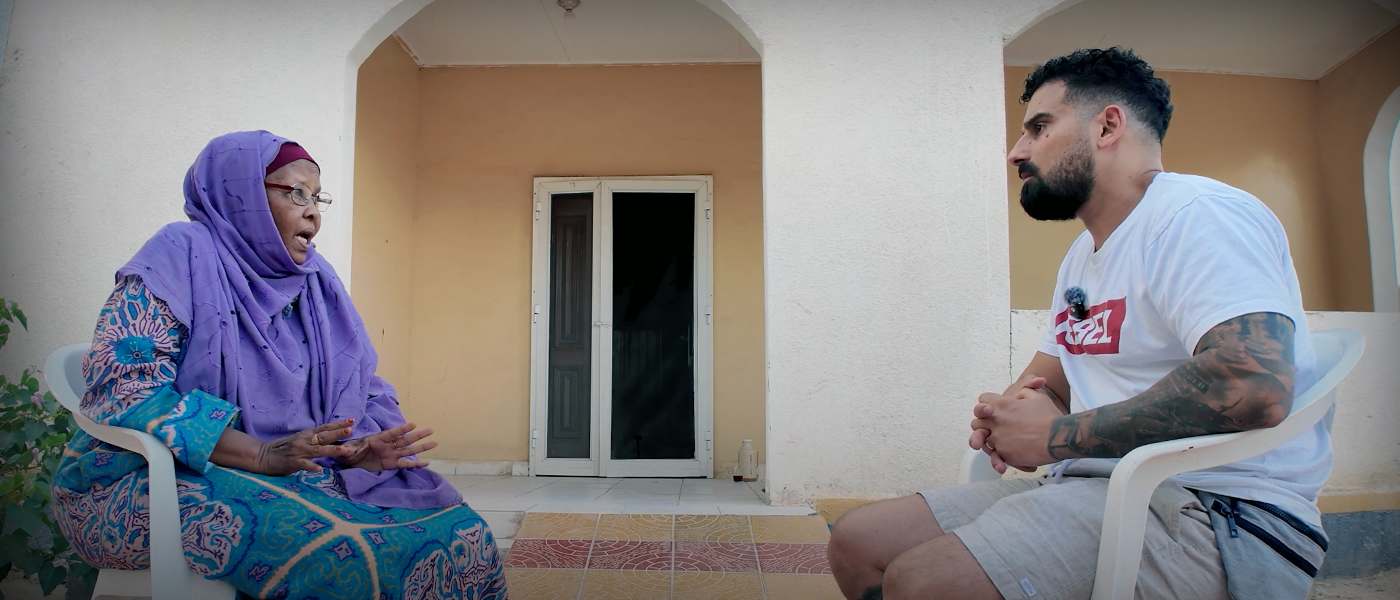
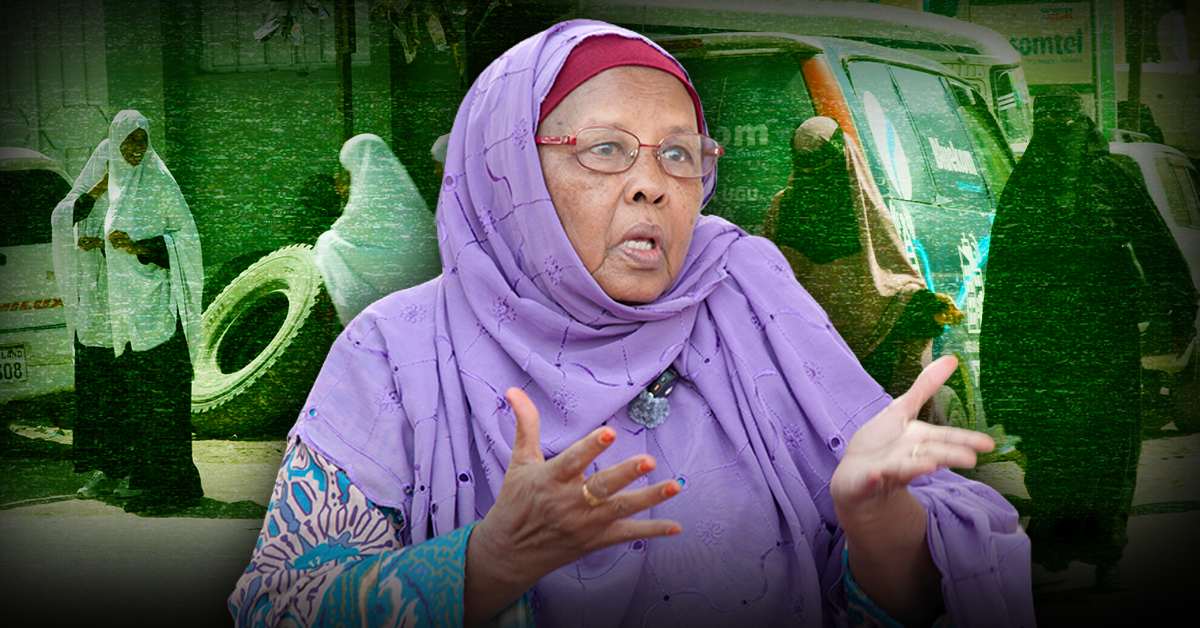
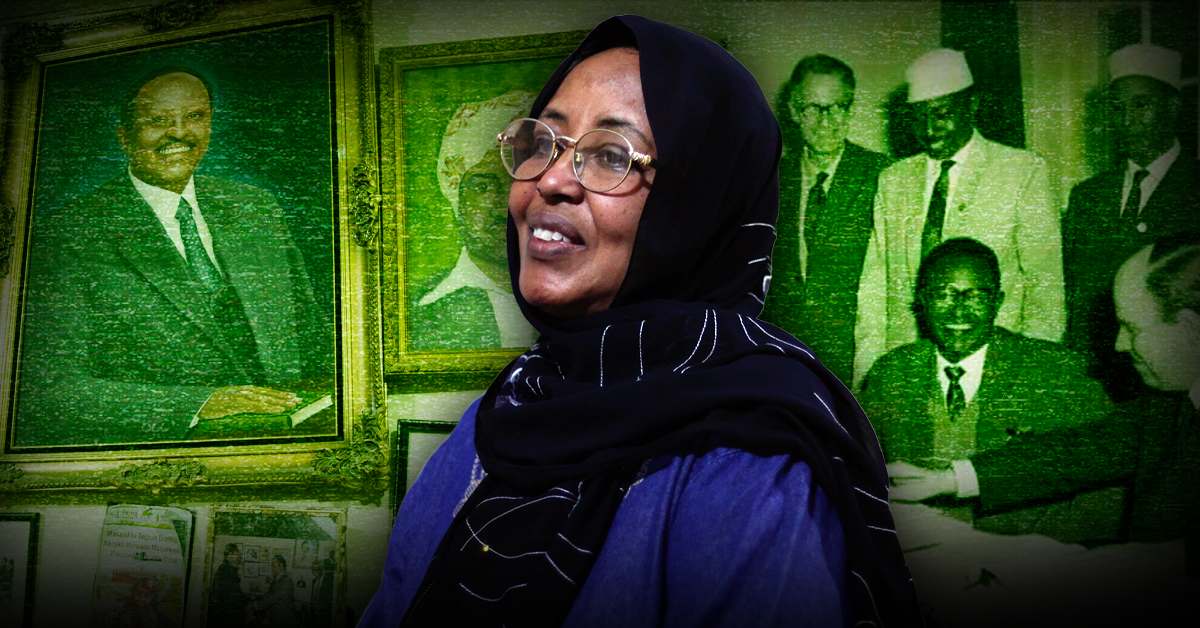
In the Horn of Africa, I spoke with Amina Mohamoud Warsame, a retired civil society activist, who reflected on Somaliland’s turbulent history and its path toward becoming a stable democracy despite decades without international recognition.
Warsame described growing up during the British colonial period and later witnessing Somaliland’s union with Somalia under Siad Barre’s rule. She said the nation’s history was marked by oppression and violence, but also by a strong collective determination to rebuild.
“The secret is people,” she told me. “We have been oppressed so much … people came back from refugee camps with one understanding; they didn’t want anything to do with revenge. They wanted peace.”
She explained that the liberation movement made a conscious decision to move forward without settling old scores. The choice to forgive, she said, helped prevent further chaos after the country’s violent struggles. “If we had returned harm to poor people, it could have been a disaster for us.”
Traditional clan leadership also played a major role in stabilising the country. Warsame described a form of what she called pastoral democracy, where men historically debated issues with relatively flat social hierarchies. “Everyone had a say,” she said, noting that young and older men alike could express opinions and influence community decisions.
Education has slowly transformed society. When formal schooling was first introduced, many families were suspicious of modern education. Over time, however, attitudes shifted as people recognised the economic and social benefits. Today, women can attend university without major barriers, though access can still be limited in poorer rural regions.
Warsame said women now play an important economic role. Many families depend on female income earners, and in some communities there is even a growing preference for daughters because of their perceived responsibility and work ethic. However, she admitted political representation remains limited. Government leadership is still largely male-dominated, reflecting traditional decision-making structures.
Religious life is central to Somaliland’s identity. Women commonly wear conservative clothing, though Warsame said this is largely a social choice rather than a legal requirement. She stressed that the community resists extremism but does not oppose religion itself. “If you are a good Muslim, you are a good person,” she said, adding that the population tends to reject attempts to impose personal interpretations of faith on others.
She also confirmed what many other Somalilanders have told me, the success of community policing, where neighbours look out for suspicious behaviour. She believes this social pressure discourages extremist ideology from taking root.
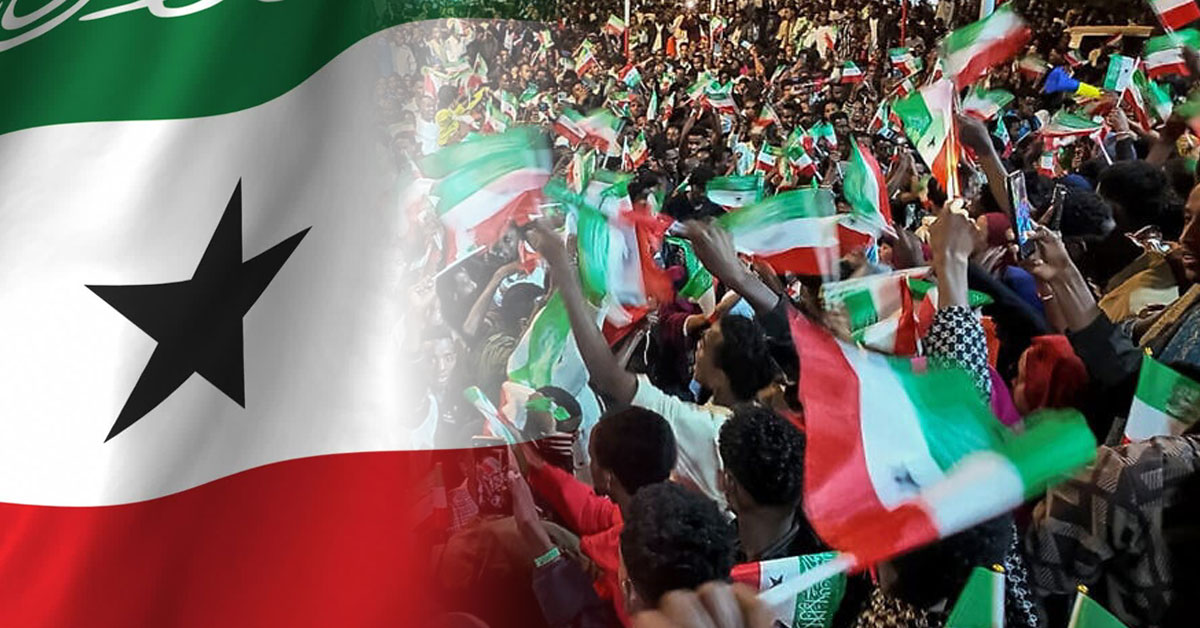
On international recognition, Warsame argued that Somaliland has a right to self-determination. She said independence would likely strengthen regional trade and stability, particularly through the strategic Berbera port, which she believes could support landlocked African economies such as Ethiopia.
Warsame said that international recognition would benefit both the region and global commerce.
Sign The Petition
If you believe Western governments should reward democratic success instead of ignoring it, add your name to the petition calling for Somaliland’s recognition as a sovereign state.
Support Our Coverage
Watch All Our Coverage
Follow along with all of Avi's on-the-ground reporting about Somaliland.
Avi Yemini
Chief Australian Correspondent
Avi Yemini is the Australia Bureau Chief for Rebel News. He's a former Israeli Defence Force marksman turned citizen journalist. Avi's most known for getting amongst the action and asking the tough questions in a way that brings a smile to your face.
https://followavi.com/Featured Stories

08:01


14:26


COMMENTS
-
Bruce Atchison commented 2026-02-24 20:06:53 -0500We need citizen-led participation too. People must stop listening to the regime media and care about bigger things than their bubble.