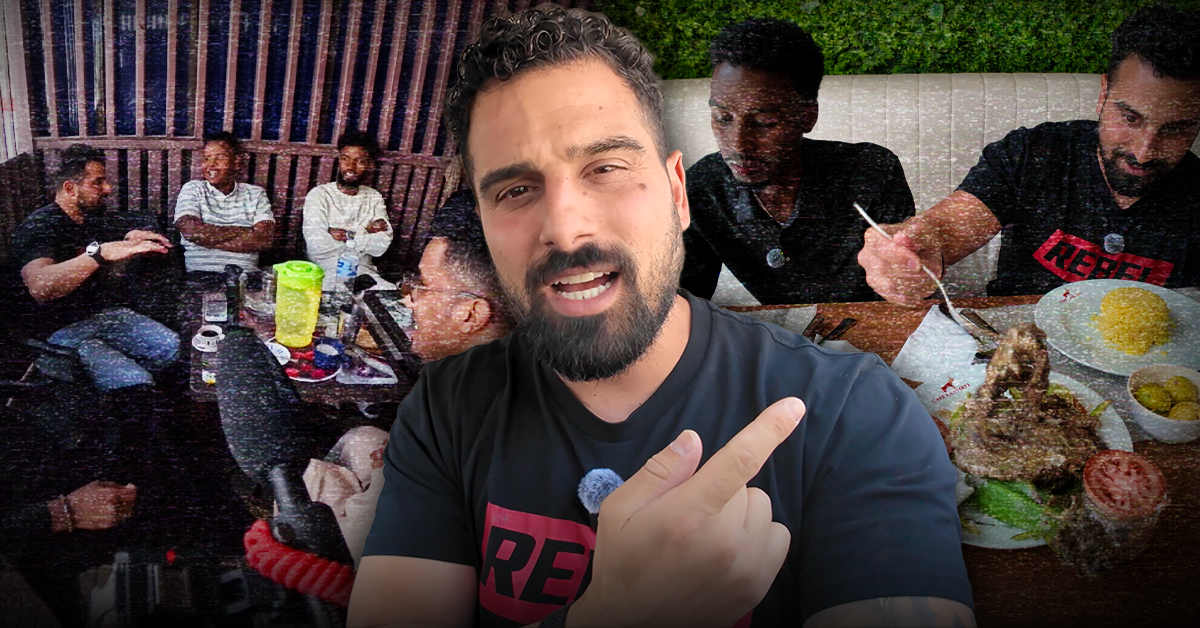
Somalia vs Somaliland: One health system FAILS, the other THRIVES despite global neglect
Built from scratch and without recognition, Somaliland’s healthcare system is defying expectations in a volatile region.

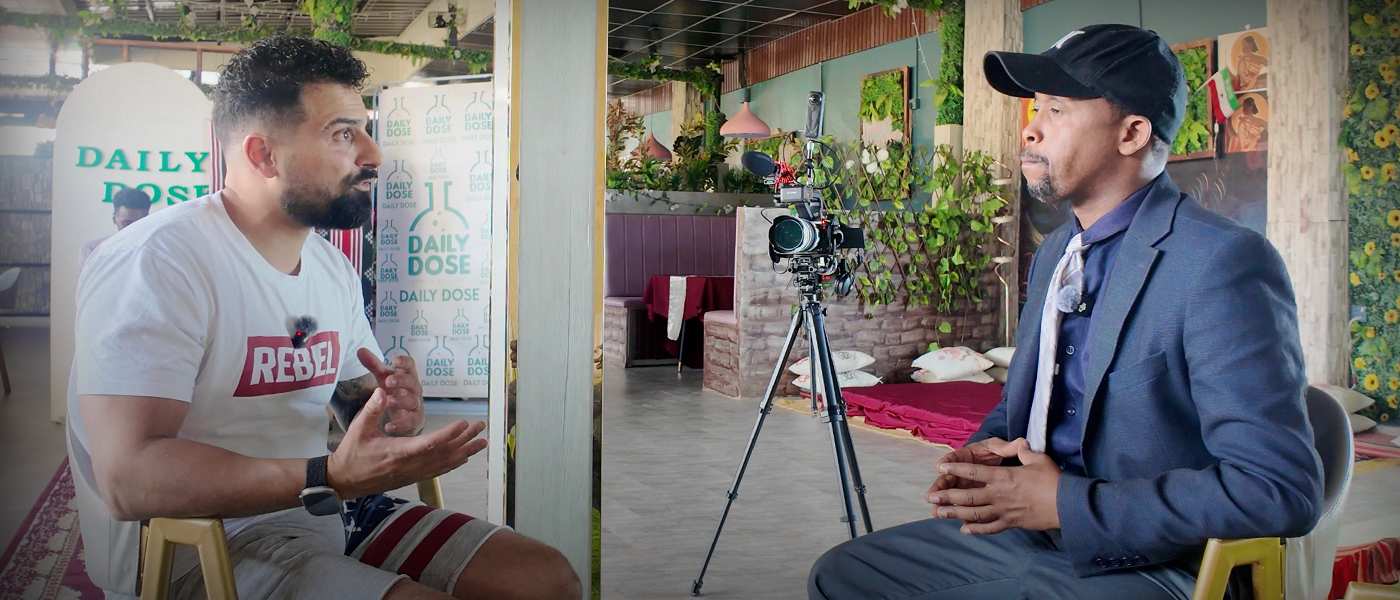
Somaliland, a self-declared republic in the Horn of Africa, is quietly building a health system that rivals those of far better-known nations. I spoke with Dr Essa Abdi Jama, CEO of Better Health Somaliland, and what I discovered challenges common assumptions about healthcare in the region.
“Somaliland’s health system has been built from scratch since 1991,” Dr Jama explained. “Compared to other parts of Africa, we are trying our best, but we need support in human resources, medical services, and improving quality of care.”
Unlike much of the Horn of Africa, the major medical issues in Somaliland are no longer the infectious diseases often associated with the continent. “The number one causes of disease are non-communicable illnesses like diabetes and hypertension, similar to Western countries,” Dr Jama said. “We still have treatable infectious diseases, but they are not the leading cause of illness.”
He also highlighted the growing burden of cancer and the need for early detection programs, specialists and research funding. “We see people at late stages of cancer,” he said. “Capacity for oncology, cardiac surgery, and advanced treatments is urgently needed.”
The relative success of Somaliland’s healthcare system, Dr Jama says, is down to geography, climate and social organisation. “Sanitation is good, living conditions are stable, and air pollution is low,” he explained. “We have immunisation programmes and functioning vaccination systems, unlike many other African regions.”
When compared with Somalia, which receives far more international aid, Somaliland’s healthcare infrastructure is markedly better. “Somaliland has built accessible, safe, and higher-quality systems despite not being recognised internationally,” Dr Jama noted. “If we had global recognition, this could become a five-star health system.”
The health system relies heavily on private initiatives, with doctors and communities investing their own resources to build hospitals and clinics. “The resilience of our people is remarkable,” Dr Jama said. “We have implemented public-private partnerships to strengthen the system, and it functions without reliance on external aid.”
International connections are already forming. Somaliland has ties with medical institutions in Israel, Australia and the UK, facilitating knowledge transfer and specialist training. Yet global recognition remains limited, constraining the potential of a system capable of competing with regional leaders like Kenya and Rwanda.
Dr Jama’s message to the world is clear: Somaliland is not a failed state, but a success story in waiting. “If donors and international medical associations invest here, the difference would be dramatic,” he said. “We are ready to show what a self-reliant, functioning democracy and healthcare system can achieve.”
Sign The Petition
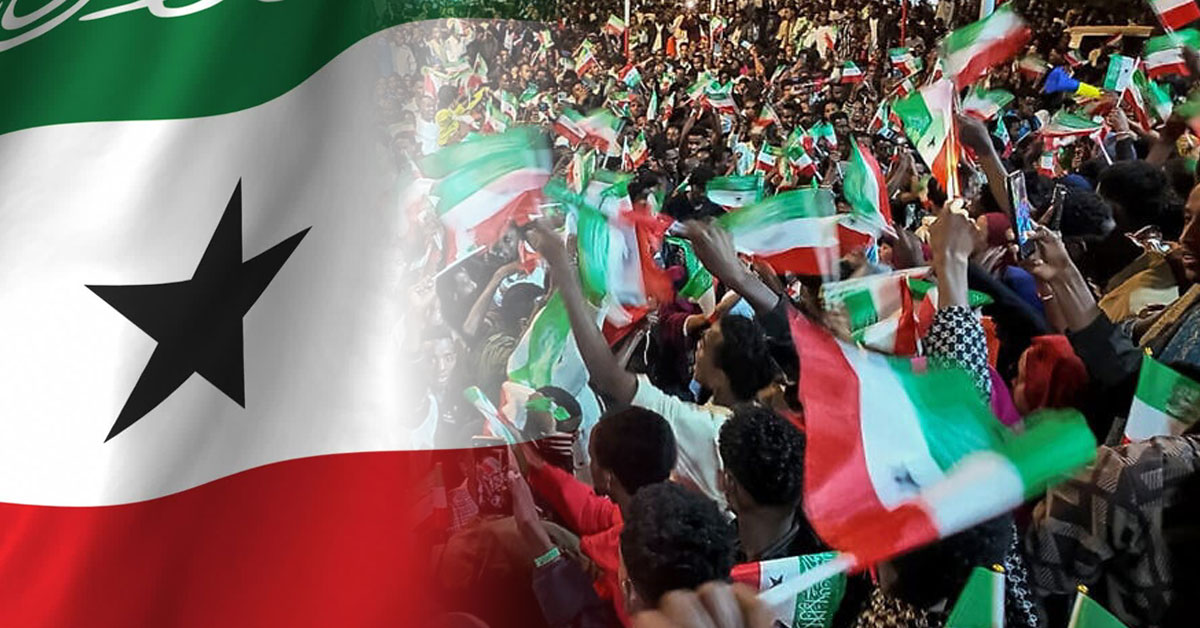
If you believe Western governments should reward democratic success instead of ignoring it, add your name to the petition calling for Somaliland’s recognition as a sovereign state.
Support Our Coverage
Watch All Our Coverage
Follow along with all of Avi's on-the-ground reporting about Somaliland.


Avi Yemini
Chief Australian Correspondent
Avi Yemini is the Australia Bureau Chief for Rebel News. He's a former Israeli Defence Force marksman turned citizen journalist. Avi's most known for getting amongst the action and asking the tough questions in a way that brings a smile to your face.
https://followavi.com/Featured Stories

35:53

06:06


COMMENTS
-
 Fran g commented 2026-02-11 15:53:30 -0500What an amazing country. Self reliant, strong leadership, christian, peace loving.
 -
Bruce Atchison commented 2026-02-10 19:01:05 -0500Somaliland will be remembered by historians as an Islamic success. Unlike fools in the west, Somaliland folks see the danger in jihadism.