'PLEASE TRUMP!': Somaliland’s Opposition Leader calls on U.S. for recognition
Somaliland’s opposition spokesman calls on the U.S. president to formally recognise his country.

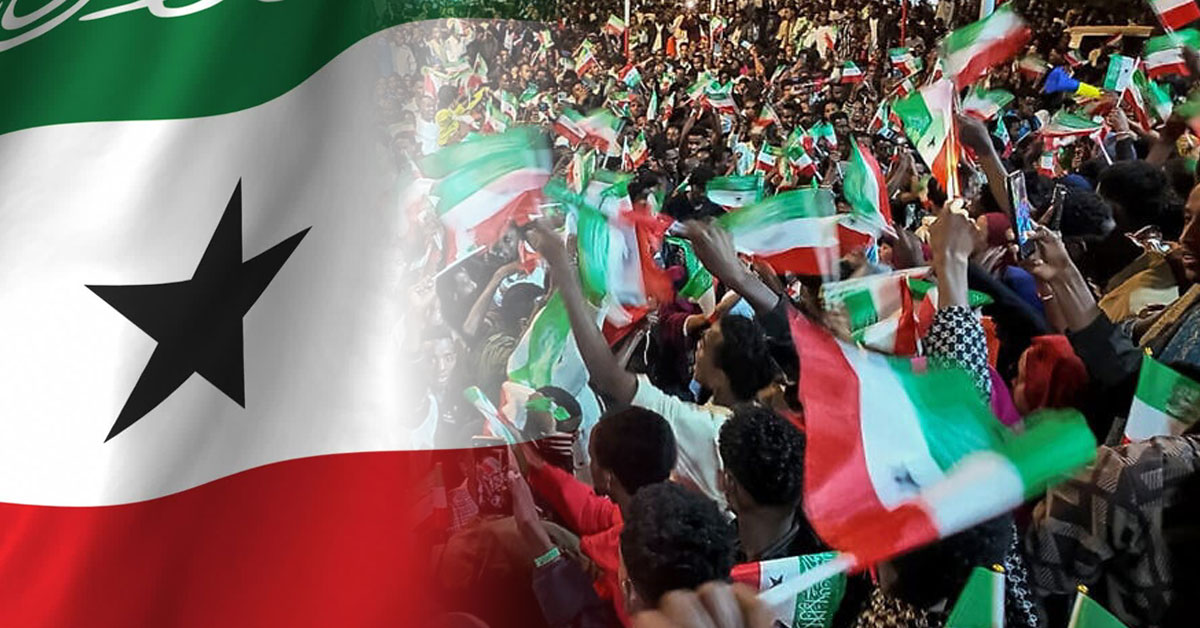
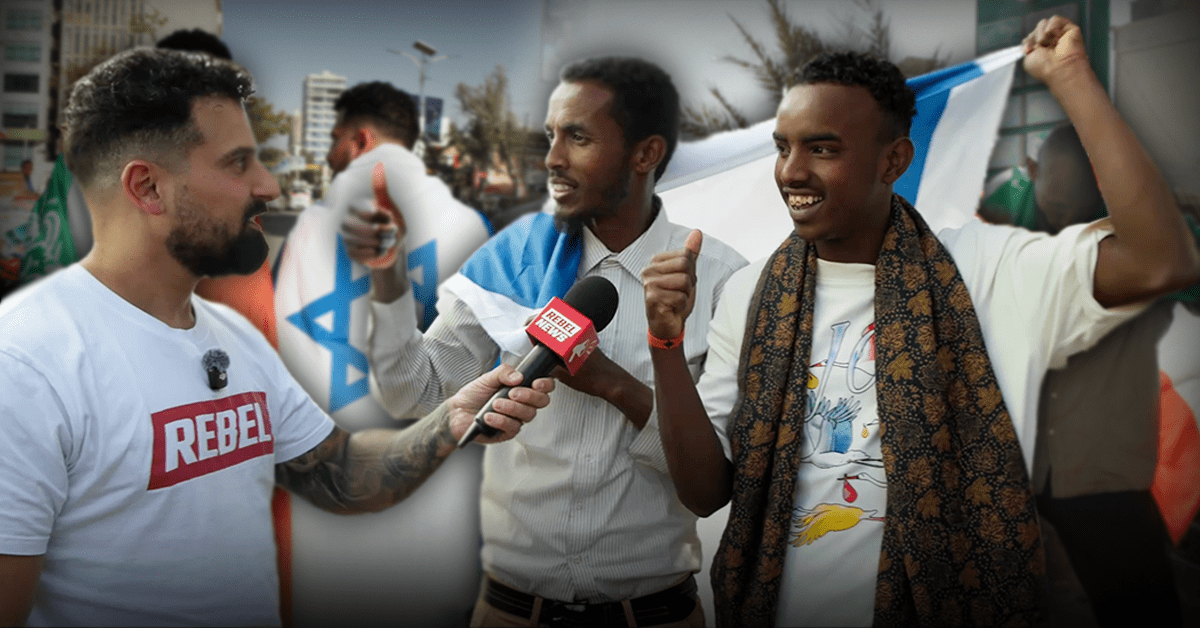
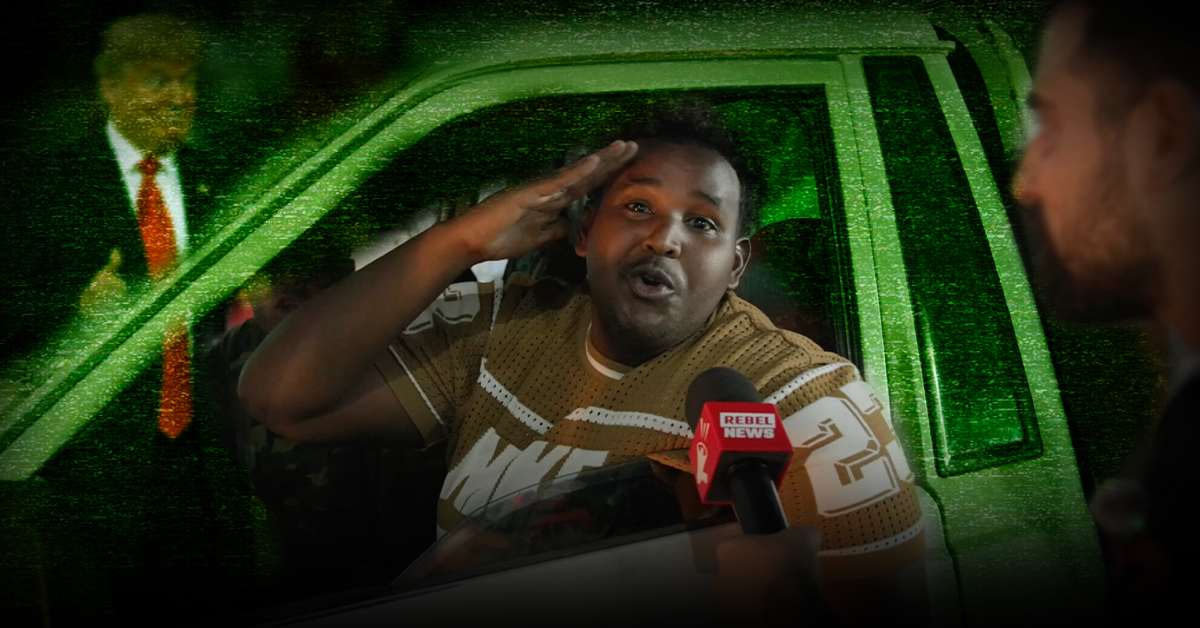
Reporting from Somaliland in the Horn of Africa, I’ve come to show Western audiences a reality they are rarely allowed to see: a functioning democracy operating calmly in one of the world’s most volatile regions, despite being unrecognised for more than three decades.
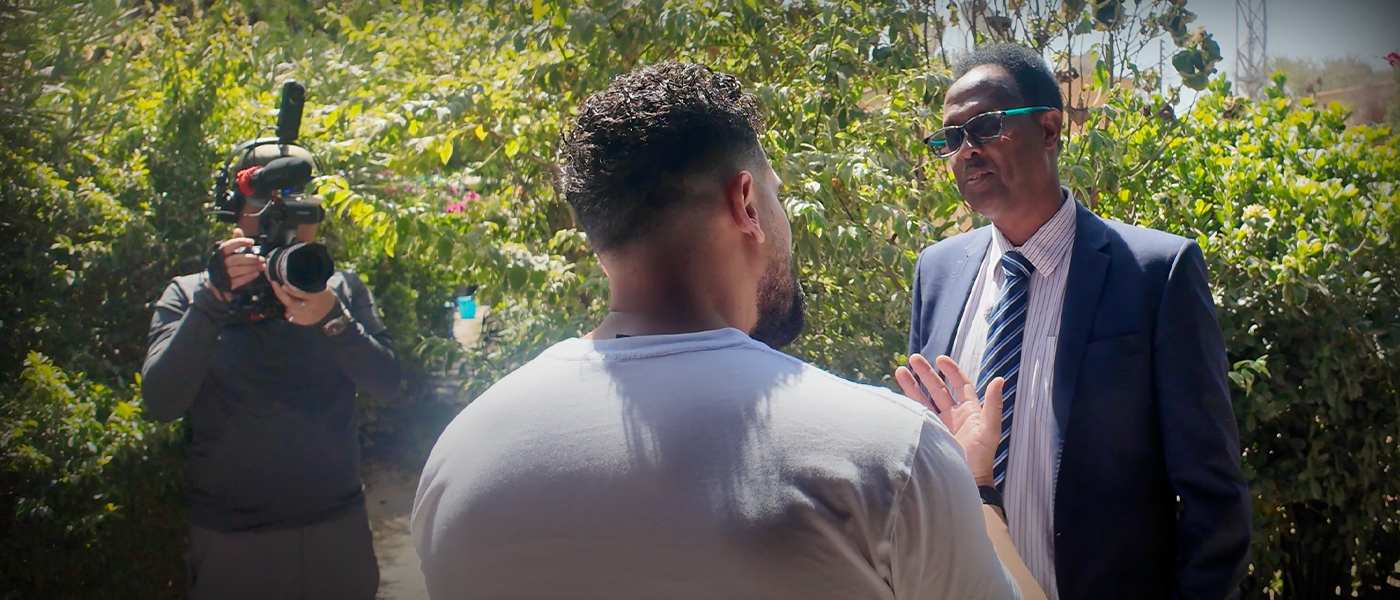
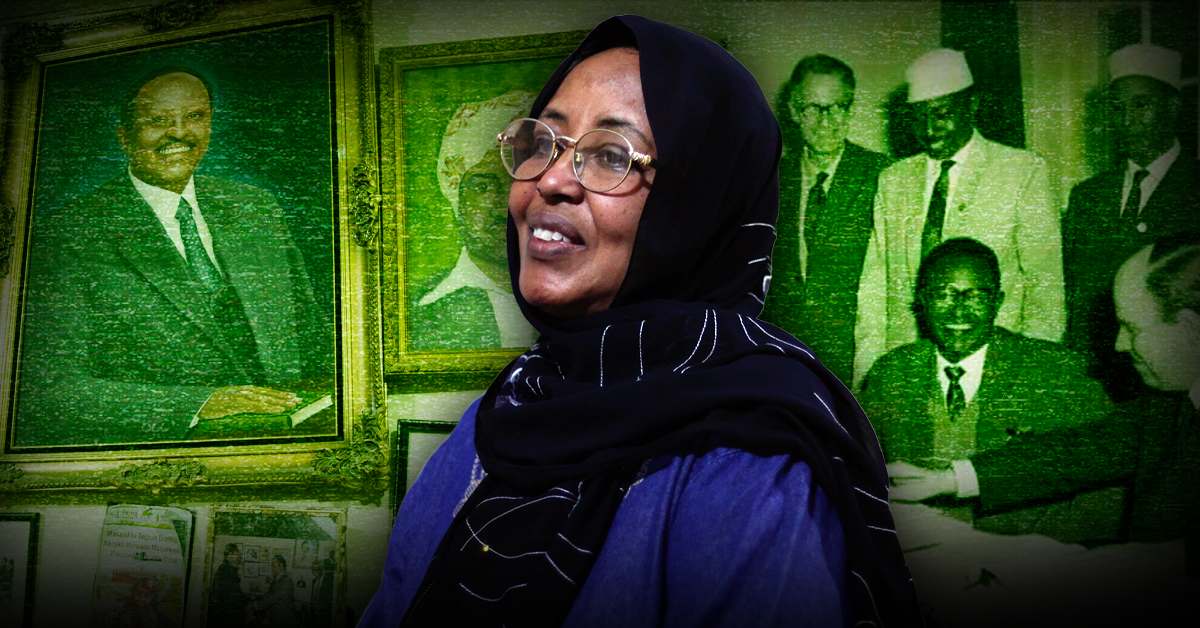
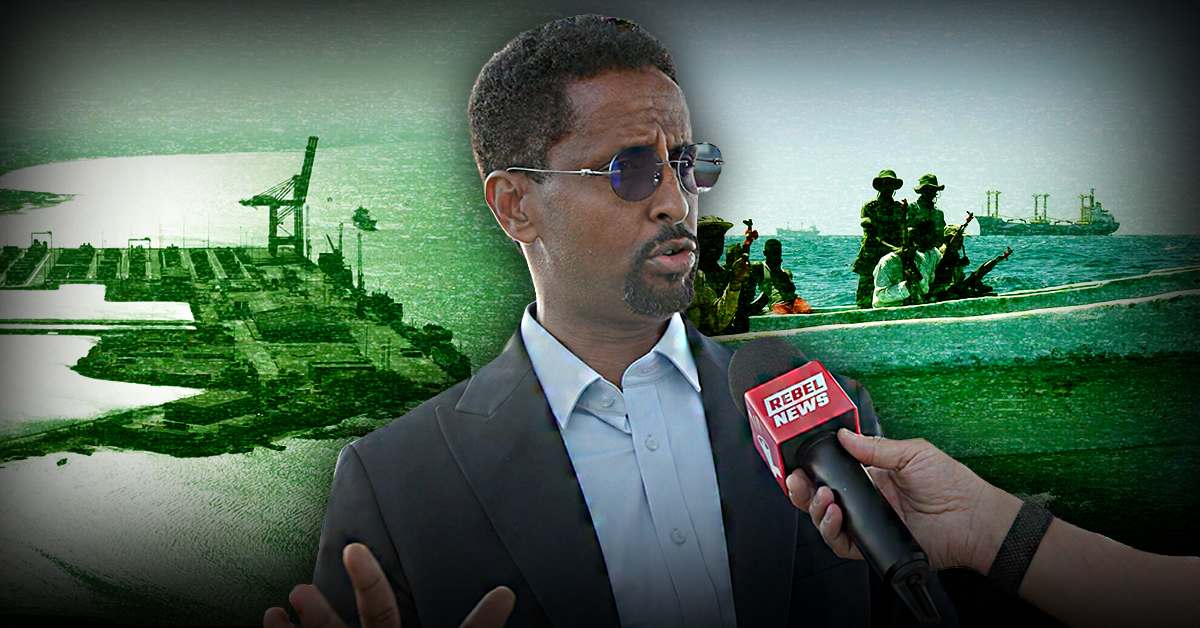
On the ground in Hargeisa, I met with Mustafe Isse, better known as Mustafe Shiine, the Afhayeenka (spokesperson) for Somaliland’s opposition Kulmiye Party. A former minister and information director, Mustafe now represents a political culture that prides itself on peaceful transitions of power.
He explained that Somaliland’s political life is built on persuasion rather than force. Leaders campaign on “capacity and capability”, not intimidation. When governments lose elections, they step aside. “We come to power, we leave it peacefully,” he told me, describing a democratic norm that stands in sharp contrast to neighbouring states.
Somaliland declared independence in 1991 after the collapse of Somalia’s Siad Barre regime. The years before that were brutal. Mustafe said more than 200,000 people were killed when the former government bombed cities such as Hargeisa. Accusations that Somalilanders were linked to Jews or Israel were used to justify the violence, fuelling hatred across the region.
Yet today, Somaliland is a deeply religious Sunni society that has largely resisted extremism. Mustafe told me that strong faith does not translate into support for jihadist violence. Extremists, he argued, are rejected precisely because the community understands Islam. As he put it, “killing one person, whichever religion he believes, is that you kill the whole society.”
One of the most striking differences between Somaliland and neighbouring Somalia is how security is maintained. Mustafe described a highly alert population where communities know who belongs and who doesn’t. Neighbours question newcomers, landlords screen tenants, and suspected jihadists are often identified by locals before the authorities even step in.
This community-led vigilance, he believes, is something Western nations could learn from. Rather than fearing accusations of racism or Islamophobia, governments should be willing to confront Islamist violence head-on, with the support of Muslim communities themselves.
Economically, Somaliland faces serious challenges. Unemployment is high, there is no welfare system, and the country cannot access loans from institutions like the IMF or World Bank because it lacks international recognition. Still, Mustafe said the society survives through family and community support. “There is no welfare system,” he said plainly. “But we help one another.”
Despite everything, Somaliland remains stable, peaceful and optimistic. “Nobody helped us,” Mustafe repeated, noting that the country was built from the ground up without international aid.
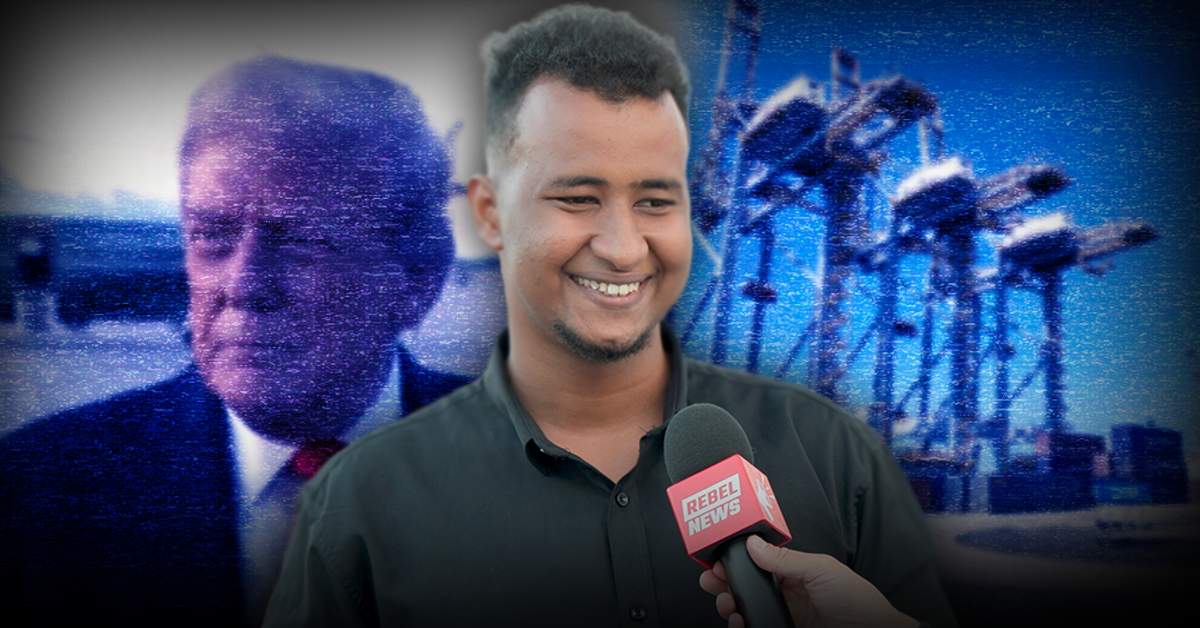
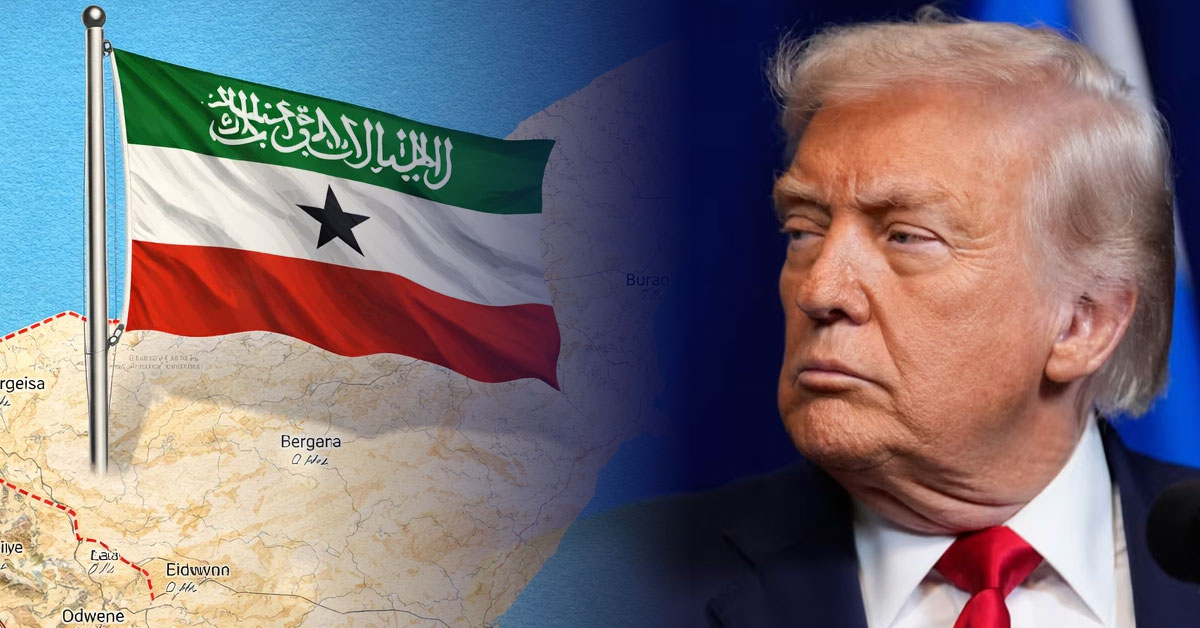
His message to the West, and particularly to U.S. President Donald Trump, was simple: recognise Somaliland. In doing so, he argued, the world would gain a democratic partner in East Africa, and finally acknowledge a success story hiding in plain sight.
Sign The Petition
If you believe Western governments should reward democratic success instead of ignoring it, add your name to the petition calling for Somaliland’s recognition as a sovereign state.
Support Our Coverage
Watch All Our Coverage
Follow along with all of Avi's on-the-ground reporting about Somaliland.
Avi Yemini
Chief Australian Correspondent
Avi Yemini is the Australia Bureau Chief for Rebel News. He's a former Israeli Defence Force marksman turned citizen journalist. Avi's most known for getting amongst the action and asking the tough questions in a way that brings a smile to your face.
https://followavi.com/Featured Stories

35:53

06:06


COMMENTS
-
Bruce Atchison commented 2026-02-09 21:30:10 -0500I hope Trump recognizes Samaliland. I know Carney won’t. He and his ilk love dictatorships.
-
 Fran g commented 2026-02-09 18:20:55 -0500This country sounds amazing. Thank you Avi for reporting. Knowledge is strength..